

Why structural integrity matters
Ice sculptures are temporary structures, but they face significant physical stress from the moment they are carved. Unlike static art, an ice sculpture must support its own weight, resist thermal expansion, and withstand the vibrations of a busy event space. Without proper engineering, even the most beautiful design can crack, slump, or collapse under the weight of decorative elements or simply due to ambient temperature shifts.
Professional studios like Ice Impressions treat each piece as a structural project. They select clear, bubble-free ice blocks that offer maximum tensile strength and use internal armatures or strategic carving techniques to distribute load. This engineering focus is what allows large-scale centerpieces, towering arches, and intricate figures to remain pristine for hours, even as guests admire them closely.
When planning a wedding or festival, structural integrity is not just an aesthetic concern—it is a safety requirement. A falling ice shard or a collapsing base can damage property or injure guests. By prioritizing structural soundness, custom ice sculptors ensure that the artistry remains the focus, providing a stable, impressive, and safe experience for everyone attending.
Ice Impressions Wedding Portfolio
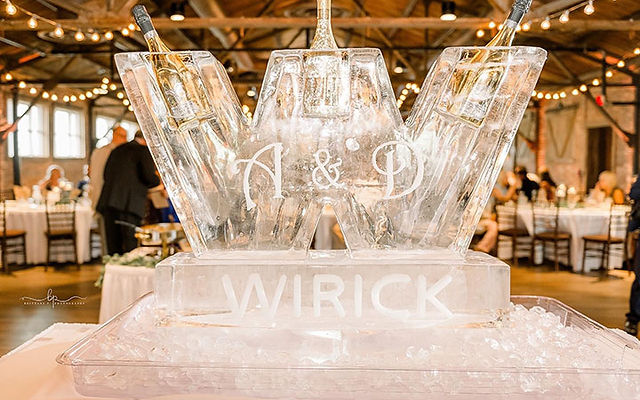
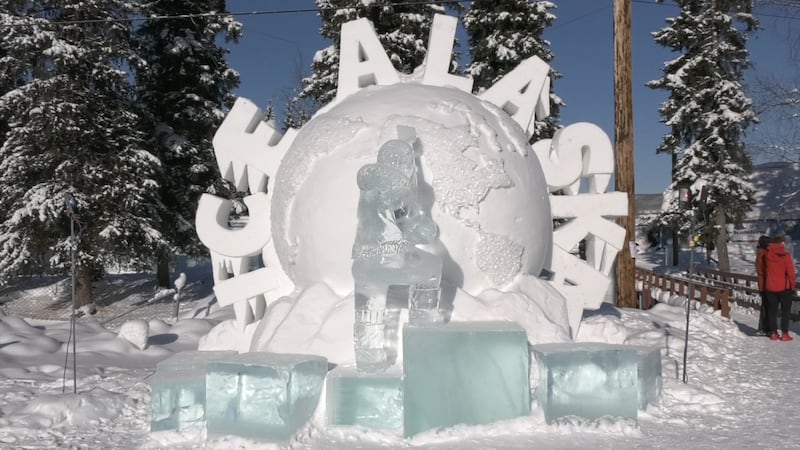
Ice Impressions specializes in creating custom ice sculptures that serve as striking focal points for wedding ceremonies and receptions. By collaborating directly with couples or event planners, the company designs pieces that align with specific themes, colors, and architectural elements of the venue. These custom presentations range from elegant monograms and floral motifs to larger structural installations that double as beverage stations or art displays.
The company emphasizes structural integrity alongside aesthetic appeal. Each sculpture is engineered to withstand the temperature fluctuations typical of event spaces while maintaining its form throughout the duration of the celebration. This attention to detail ensures that the ice remains clear and stable, providing a lasting visual impact without the risk of premature melting or distortion.
For couples seeking a unique and memorable addition to their special day, Ice Impressions offers personalized design consultations. The process involves selecting from a library of classic designs or commissioning entirely new creations tailored to the couple’s story. This level of customization allows the ice sculpture to become an integral part of the wedding’s narrative, rather than just a decorative afterthought.
Tools for DIY Ice Sculpting
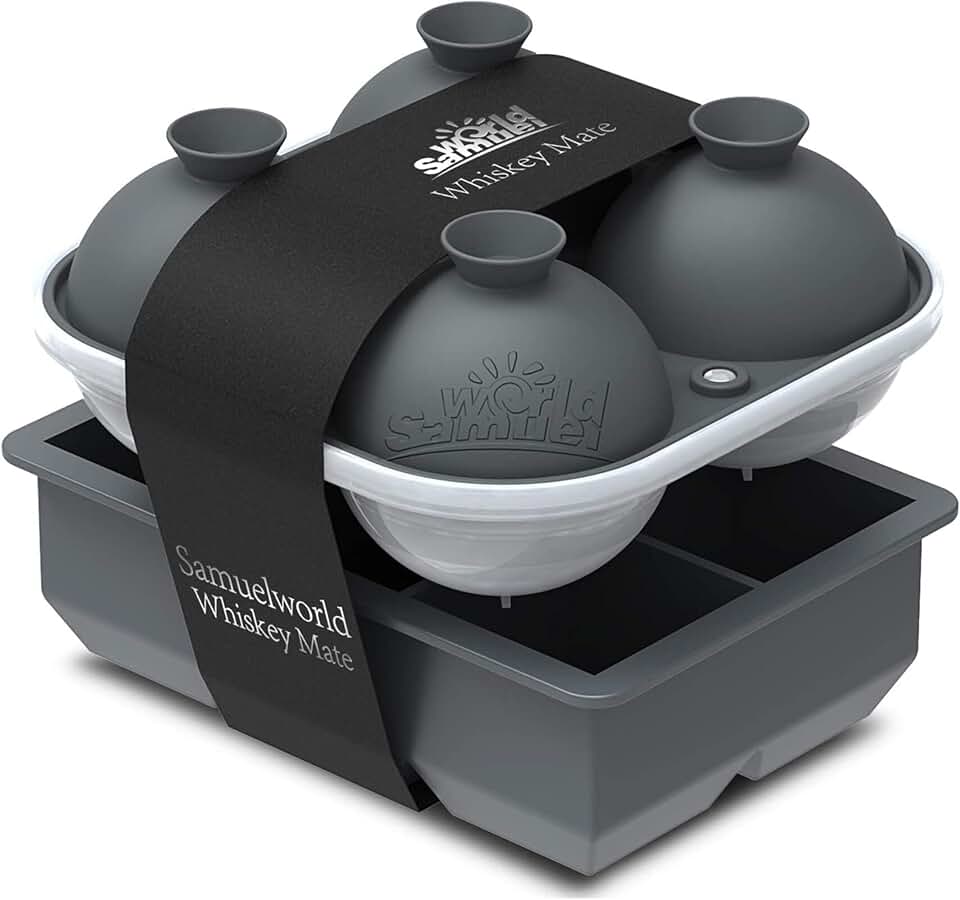
While professional services like Ice Impressions handle large-scale or highly complex installations, many couples and DIY enthusiasts opt to create smaller ice sculptures for their weddings or festivals. Achieving professional-quality results at home requires specific tools and molds designed to produce clear, durable ice. The following products are essential for anyone looking to craft their own ice art.


As an Amazon Associate, we may earn from qualifying purchases.
Scaling from weddings to festivals
Transitioning from an intimate wedding reception to a large public festival requires a fundamental shift in how ice sculptures are engineered. While a wedding centerpiece might weigh a few hundred pounds and sit on a stable table, festival installations often exceed several tons and must withstand outdoor elements, public interaction, and uneven terrain. Ice Impressions manages this scale by treating each project as a structural engineering challenge rather than just an artistic one.
For large-scale events, the primary concern is thermal mass and structural integrity. A massive block of ice expands and contracts with temperature fluctuations, requiring internal armatures to prevent cracking. In outdoor festival settings, these sculptures must also resist ambient heat and direct sunlight. This is where specialized tools become essential for both the sculptors and the event coordinators managing the environment.
To maintain precision and safety during these complex builds, professionals rely on heavy-duty equipment. The following tools are standard for handling large ice blocks and maintaining structural stability during festival-scale installations:


As an Amazon Associate, we may earn from qualifying purchases.
The logistical difference is stark. A wedding sculpture is often pre-carved in a cold room and transported in climate-controlled vehicles to arrive intact. A festival sculpture, however, may be carved on-site or assembled from multiple pre-carved sections. This requires on-site power sources, water management systems to handle melting runoff, and constant monitoring of the ice’s condition. The visual impact is greater, but the margin for error is smaller.
When comparing these two scales, the requirements for support structures and maintenance differ significantly. The table below outlines the key differences between typical wedding centerpieces and festival installations.
| Feature | Wedding Centerpiece | Festival Installation |
|---|---|---|
| Weight | 100-500 lbs | 2,000-10,000+ lbs |
| Support Structure | Table or pedestal | Steel armature or base |
| Environment | Climate-controlled indoors | Outdoor, variable weather |
| Maintenance | Minimal, once placed | Continuous, active cooling required |
| Transport | Standard refrigerated van | Specialized heavy transport |
Essential Tools for Ice Sculpting
Creating ice sculptures that hold their shape and deliver a polished finish requires more than just a block of ice and a steady hand. For DIY enthusiasts and event planners, selecting the right equipment is the difference between a melted mess and a structural masterpiece. The tools listed below are the standard for achieving clean lines, smooth surfaces, and professional-grade details.
Chainsaws and Rotary Tools
The heavy lifting in ice sculpting is done with chainsaws designed specifically for frozen materials. Unlike wood chainsaws, these feature specialized teeth that cut through ice without chipping or cracking the block. They allow for rapid removal of large volumes of ice, enabling sculptors to rough out the basic shape of a sculpture quickly. For finer details, rotary tools with carbide burrs are essential. These handheld devices offer precision for carving intricate patterns, text, and delicate features that chainsaws cannot achieve.
Chisels, Gouges, and Knives
Once the rough shape is established, chisels and gouges take over. These metal tools come in various widths and curves, allowing the artist to smooth surfaces, create textures, and carve sharp edges. Ice knives are particularly useful for fine-tuning details and scraping away thin layers to reveal crystal-clear surfaces. The quality of the steel and the sharpness of the edge directly impact the smoothness of the final finish.
Ice Stamps and Molds
Adding branding or decorative elements is often done with ice stamps. These durable, food-safe metal tools are pressed into the ice surface to emboss logos, initials, or patterns. They provide a consistent, professional look that is difficult to achieve by hand. For larger projects, custom ice molds can be used to create uniform blocks or specific shapes that serve as the foundation for the sculpture.
Safety Gear and Finishing Supplies
Safety is paramount when working with power tools and sharp ice. Heavy-duty gloves, cut-resistant aprons, and safety glasses are non-negotiable. Ice burn from prolonged contact with cold metal or ice can cause injury, so insulated gloves are recommended. For finishing, warm water brushes are used to melt and smooth rough edges, creating a glossy, glass-like surface. Ice glue, a mixture of water and ice shavings, can be used to bond pieces together seamlessly.


As an Amazon Associate, we may earn from qualifying purchases.
Planning your ice sculpture event
A successful ice sculpture requires coordination between your design vision and the logistical realities of cold storage. Treat the sculpture like a fragile architectural element; it needs structural support and a stable environment from the moment it leaves the freezer until the event concludes.
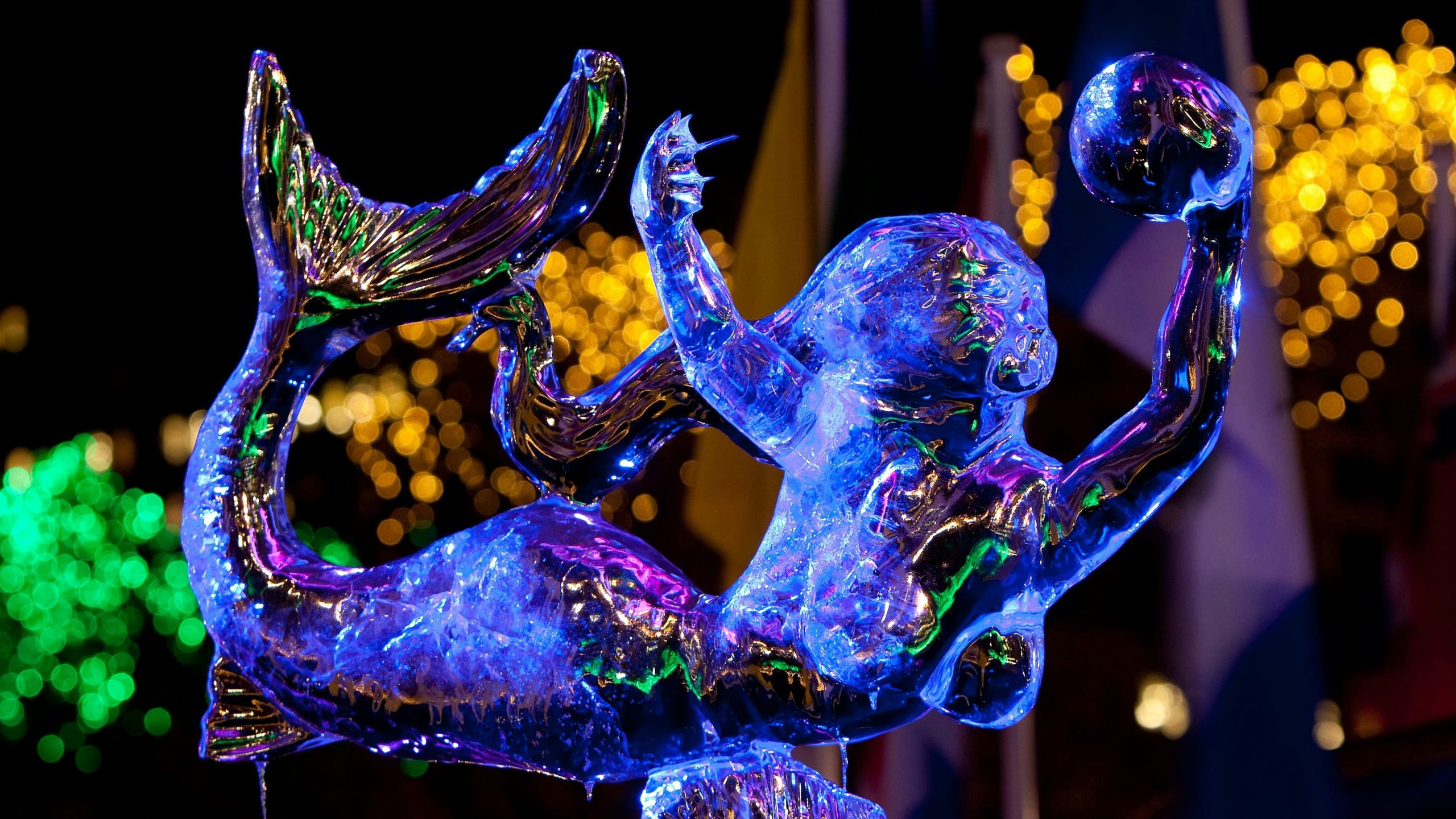
Confirm the exact dimensions and complexity of your custom piece. Larger structures require internal armatures to prevent cracking. Provide these specs early so the sculptor can calculate ice volume and freezing time accurately.
Ice sculptures demand a consistent temperature, ideally between 28°F and 32°F (-2°C to 0°C). Avoid direct sunlight, drafts, or proximity to heat sources like ovens or stage lights, which can cause rapid melting or surface sweating.
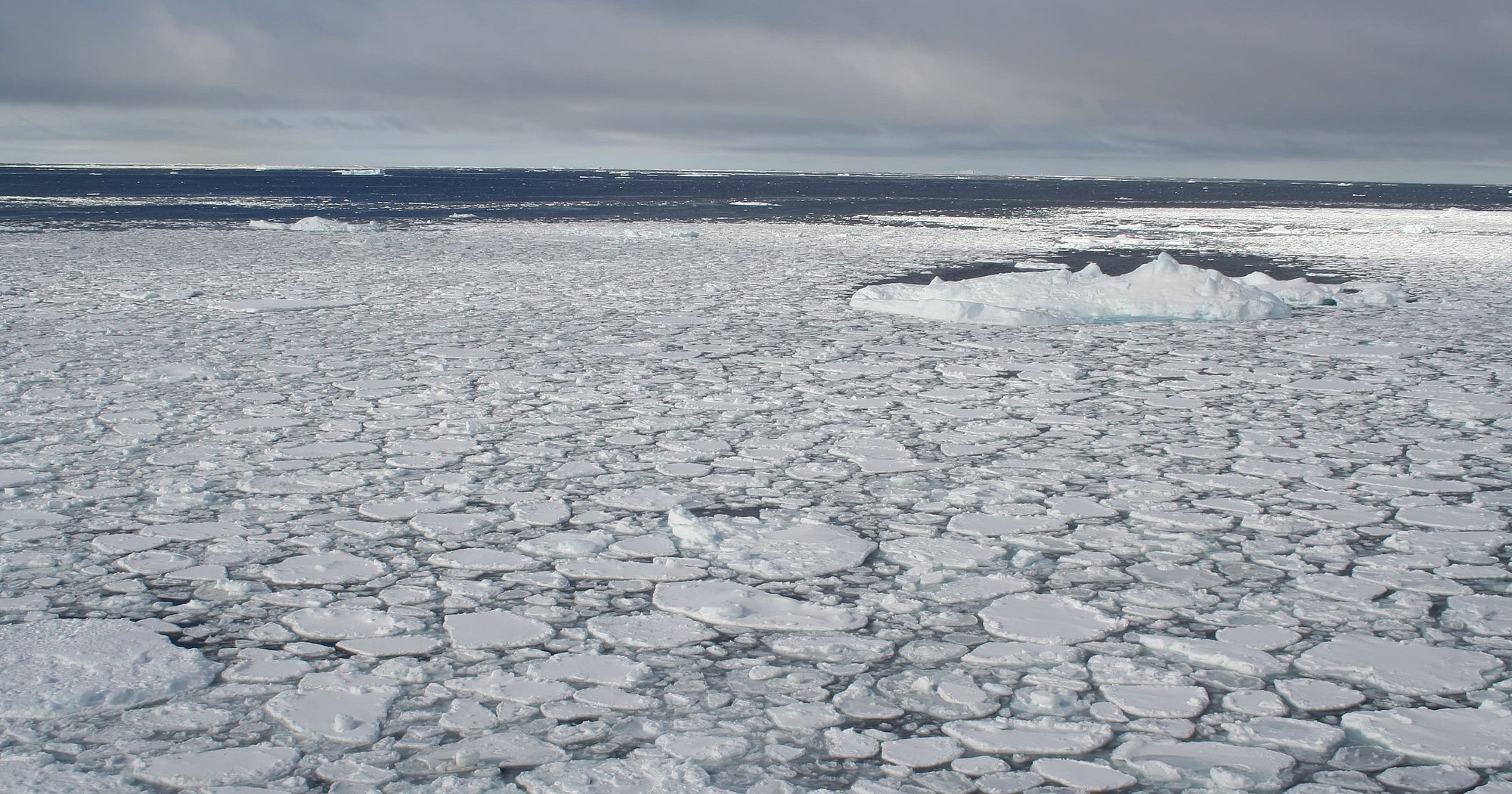
Coordinate a specific delivery window. Professional installers bring thermal blankets and ice blocks for structural support. Ensure your venue has adequate power for cooling units and space for the sculpture’s base and drip trays.
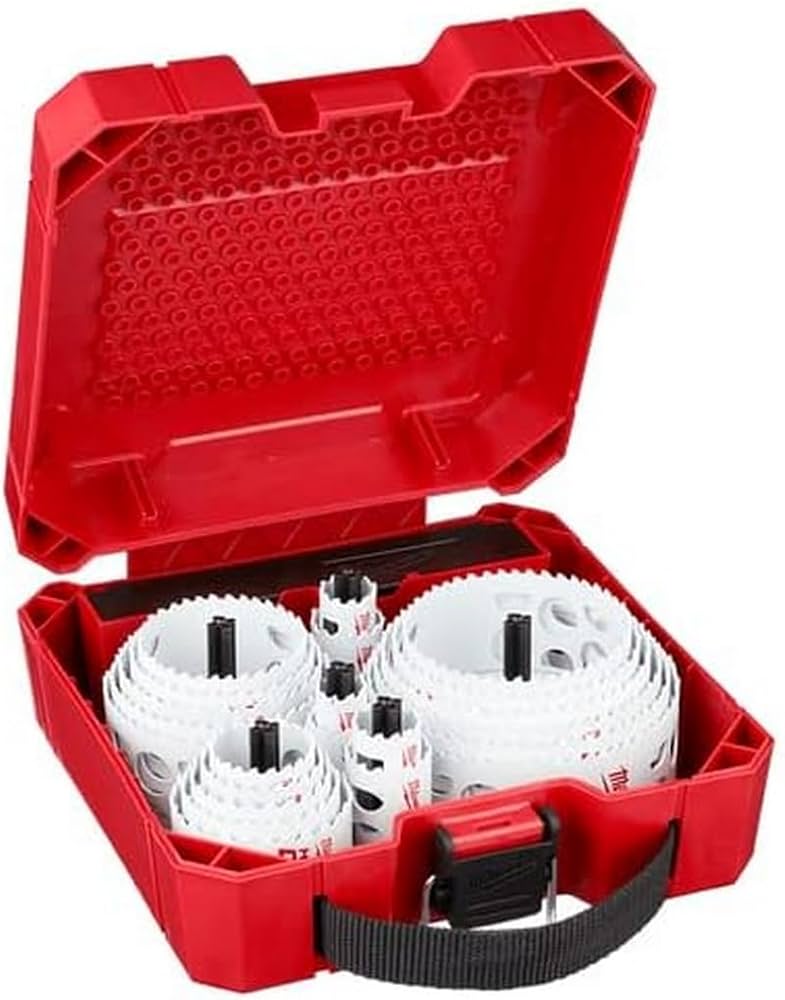
Have a professional ice saw, chisels, and a spray bottle with lukewarm water on hand for final touches. Keep dry ice nearby if you need to maintain fog effects or stabilize the base temperature during long events.


As an Amazon Associate, we may earn from qualifying purchases.
Proper planning ensures your centerpiece remains pristine throughout the celebration. By addressing structural integrity and environmental controls early, you minimize risks and maximize the visual impact of your custom ice art.
Common ice sculpture: what to check next
Clients often ask how long a sculpture lasts and how it is delivered. The lifespan depends on ambient temperature and humidity. In a standard event setting, an ice sculpture remains intact for 6 to 12 hours. If the venue is air-conditioned or kept cool, the sculpture can last significantly longer. Ice Impressions handles all logistics, transporting the piece in climate-controlled vehicles to ensure it arrives in pristine condition.
Maintenance is minimal but important. The sculptures are designed to be self-supporting and do not require external cooling once installed. However, direct sunlight or heat sources like stage lights can accelerate melting. For outdoor events, planning for shade or an earlier installation time is recommended. The ice will naturally drip as it melts, so a subtle collection tray or natural drainage path should be considered during setup.
Safety is a primary concern for all guests. Ice sculptures are made from clear, filtered water that is safe to touch. The edges are often smoothed during the carving process to prevent accidental cuts. While the ice is cold, it is not dangerous to handle briefly. For large pieces, we advise against leaning or climbing on the sculpture to maintain its structural integrity and ensure guest safety.
Customization allows for specific branding and design elements. You can include logos, text, or specific shapes that match your wedding or festival theme. The design process starts with a consultation where you provide your ideas. The sculptors then create a detailed plan before any cutting begins. This ensures the final piece aligns perfectly with your vision.
No comments yet. Be the first to share your thoughts!