

What defines modern ice art
Modern ice art has evolved from simple decorative blocks into complex structural installations that serve as the centerpiece of high-stakes events. For 2026 weddings and festivals, the definition of quality ice sculpture rests on three pillars: architectural integrity, precise thermal management, and bespoke design. At Ice Impressions, we treat ice not just as a material, but as a temporary canvas that requires the same engineering rigor as any permanent structure. This approach ensures that every piece, from a delicate crystal chandelier to a massive luge bar, maintains its form and clarity throughout the event.
The foundation of any successful ice sculpture is its structural integrity. Modern techniques rely on ultra-clear, bubble-free ice blocks that allow light to pass through without distortion, creating a luminous effect that standard ice cannot achieve. This clarity is not merely aesthetic; it is a marker of quality that distinguishes professional installations from amateur attempts. By using advanced freezing processes, we ensure that the internal structure of the ice can support complex cuts and thin walls without cracking or collapsing under its own weight.
Thermal management is equally critical in defining modern ice art. The longevity of a sculpture depends on precise temperature control and strategic placement. While intricate details may begin to soften after a few hours, the core structure of a well-built sculpture can last for many hours, provided the ambient conditions are managed correctly. Ice Impressions integrates this knowledge into every project, offering one-stop solutions that include not just the sculpture, but the environmental planning required to keep it pristine. This holistic approach ensures that the art remains intact from the first toast to the final dance.
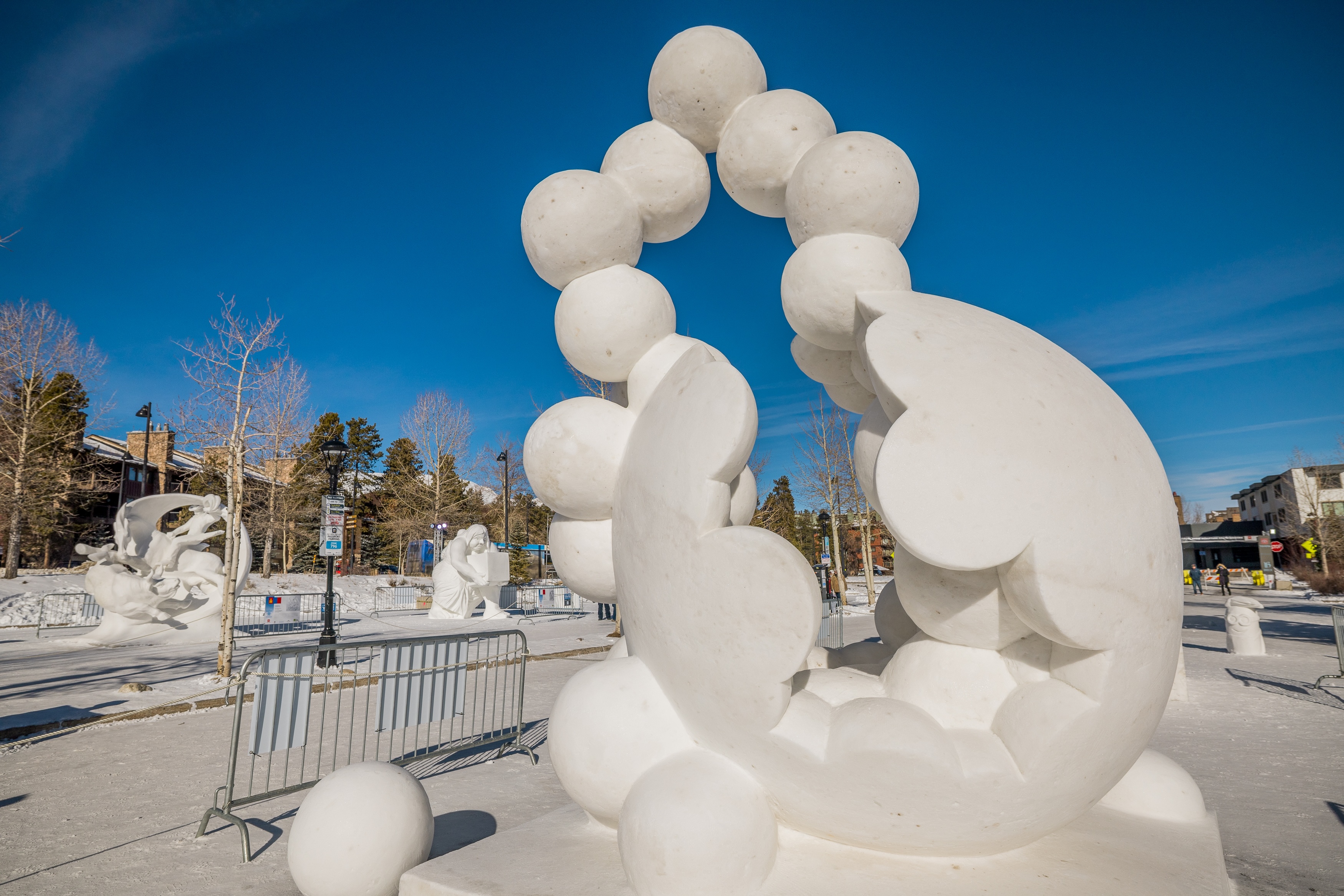
Structural integrity in large formats
Large-scale ice sculptures for weddings and festivals are not merely decorative; they are temporary architectural feats. As events grow in ambition, so does the engineering required to keep massive blocks of ice standing upright and stable. The primary challenge lies in balancing the sheer weight of the ice against the thermal load of the environment. A sculpture that looks like a simple monolith may require internal armatures or strategic center-of-gravity adjustments to prevent tipping or cracking under its own mass.
Stability is achieved through precise cutting and internal support systems. For towering structures, sculptors often embed steel rods or wooden cores deep into the ice, anchoring the piece to a heavy base or the floor. This internal skeleton distributes weight evenly, preventing stress fractures that occur when ice expands or contracts unevenly. Without these hidden supports, large forms would succumb to gravity long before the event concluded.
Melt resistance is equally critical. While the overall structure might last several hours, intricate details on the surface—such as carved logos or delicate figurines—are the first to degrade. These features typically begin to soften and blur within two to three hours of exposure to ambient temperatures. The bulk of the sculpture, however, can remain intact for up to twelve hours if kept in optimal conditions. This disparity means that the most visually complex parts of the design must be planned with a shorter lifespan in mind, often positioned to be viewed early in the event.
Ice Impressions approaches this balance by treating each large format as a custom engineering project. Rather than relying on standard molds, they assess the venue’s temperature, airflow, and expected duration to design structures that prioritize both visual impact and structural longevity. This method ensures that the sculpture remains a centerpiece of stability and beauty throughout the celebration.
2026 Design Trends for Events
The aesthetic direction for ice sculptures in 2026 moves beyond simple transparency, focusing on integrated color, dynamic lighting, and thematic cohesion. Ice Impressions is positioning these elements not just as decorative add-ons, but as structural components that define the event's atmosphere. For weddings and festivals, the goal is to create immersive environments where the ice feels like a natural extension of the venue's design rather than a standalone object.
Color integration has become a primary driver of visual impact. Rather than relying solely on the natural clarity of the ice, designers are embedding pigments directly into the blocks or using colored lighting to wash the sculptures. This technique allows for precise brand alignment or thematic matching, ensuring the ice complements the event's palette. The result is a more unified visual experience, where the sculpture enhances the overall color scheme rather than competing with it.
Lighting plays a critical role in how these sculptures are perceived, especially in evening settings. Integrated LED systems are being used to highlight intricate details and create depth. For example, a "Fire & Ice" theme might use warm amber tones at the base transitioning to cool blues at the top, creating a visual tension that draws guests in. This approach requires careful planning to ensure the lighting enhances the sculpture's form without overwhelming it.
Thematic elements are increasingly complex, with sculptures designed to tell a story or represent a specific concept. From abstract geometric shapes to narrative-driven figures, the designs are becoming more sophisticated. Ice Impressions is leveraging this trend to create custom pieces that resonate with the event's purpose, whether it's a corporate gala or a summer festival. The key is to ensure that the theme is clear and the execution is flawless, maintaining the structural integrity of the ice while delivering a powerful visual message.
Essential tools for sculptors
Professional ice sculpting relies on a specific set of equipment designed to manage the material’s unique structural integrity and rapid melt rate. Unlike wood or stone, ice requires tools that can cut cleanly without shattering the block while allowing for rapid refinement of details. For wedding and festival installations, where pieces must withstand ambient temperatures for hours, the quality of these tools directly impacts the sculpture’s longevity and visual clarity.
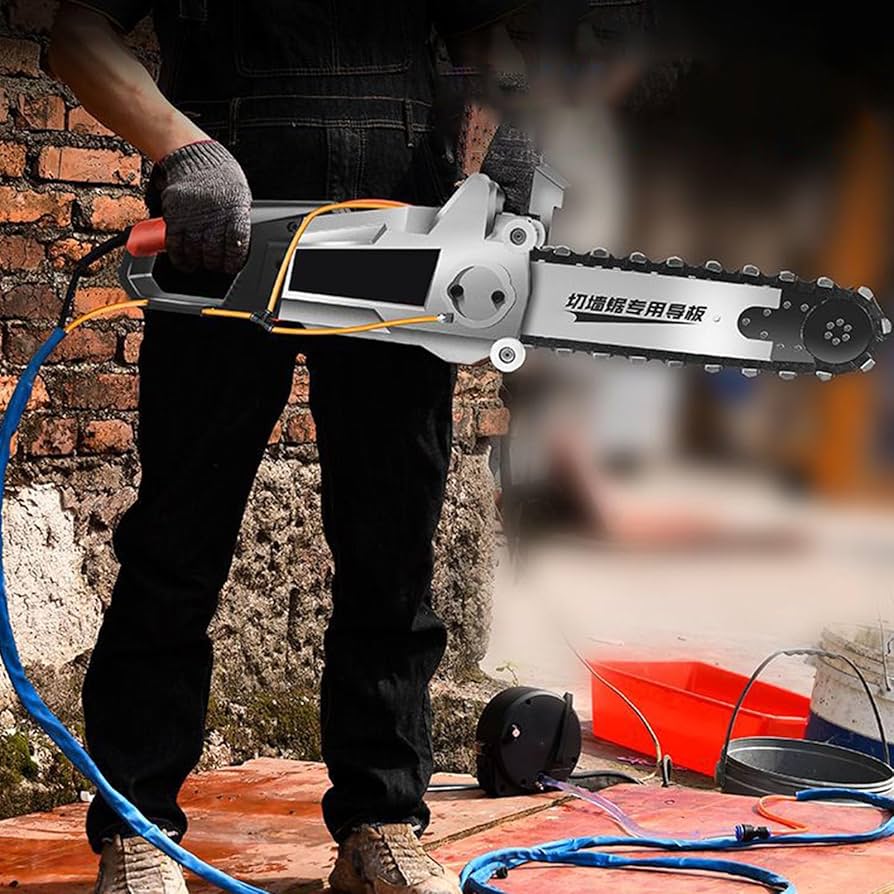
The foundation of any ice sculpting kit is the chainsaw. A lightweight, high-torque model is essential for roughing out the basic shape and removing bulk material efficiently. Sculptors typically pair this with a die grinder equipped with carbide burrs for intricate detailing, such as the delicate folds of fabric or the facial features of a portrait. These rotary tools allow for precise control, ensuring that fine elements remain intact even as the surrounding ice begins to soften.
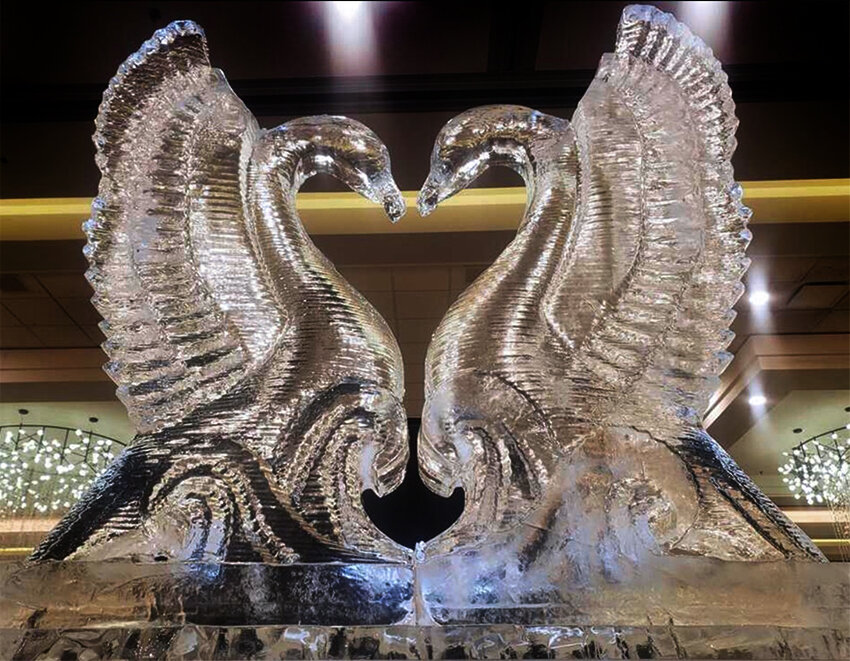
Use a chainsaw with a short bar to remove large sections of ice quickly. This step defines the overall silhouette and removes excess weight, which is critical for maintaining structural stability in large wedding centerpieces or lobby displays.
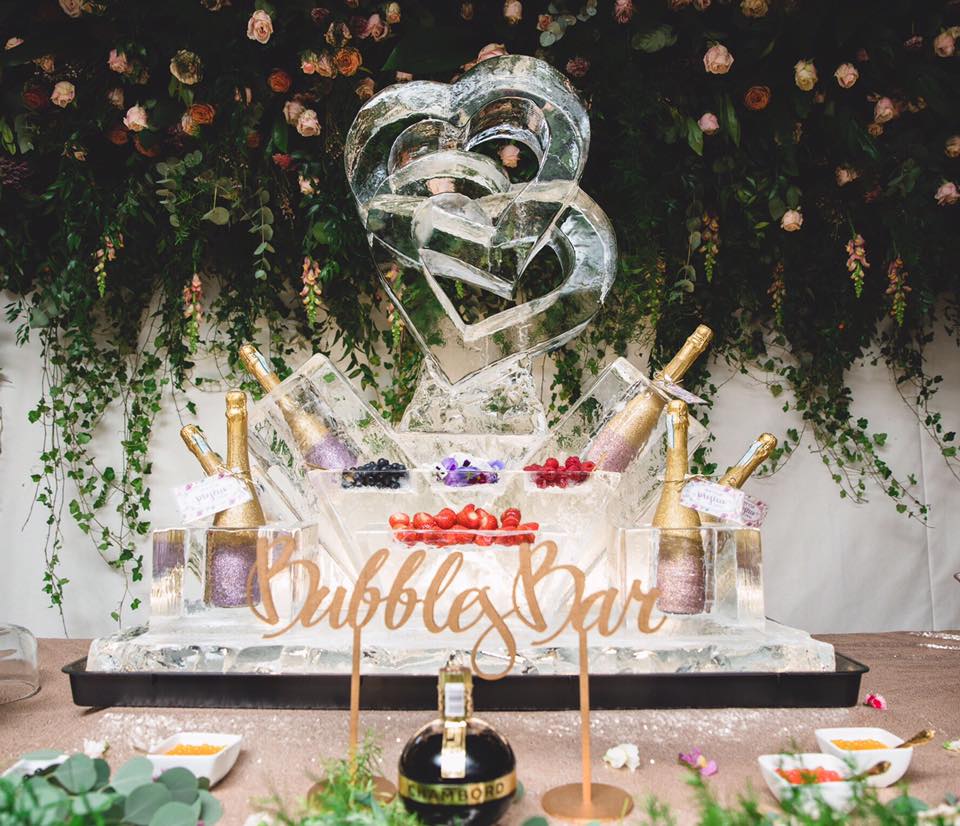
Switch to a die grinder with various carbide burrs to carve textures, lettering, and intricate patterns. This tool allows for the precision needed to capture the subtle nuances of a custom design without cracking the delicate ice structure.
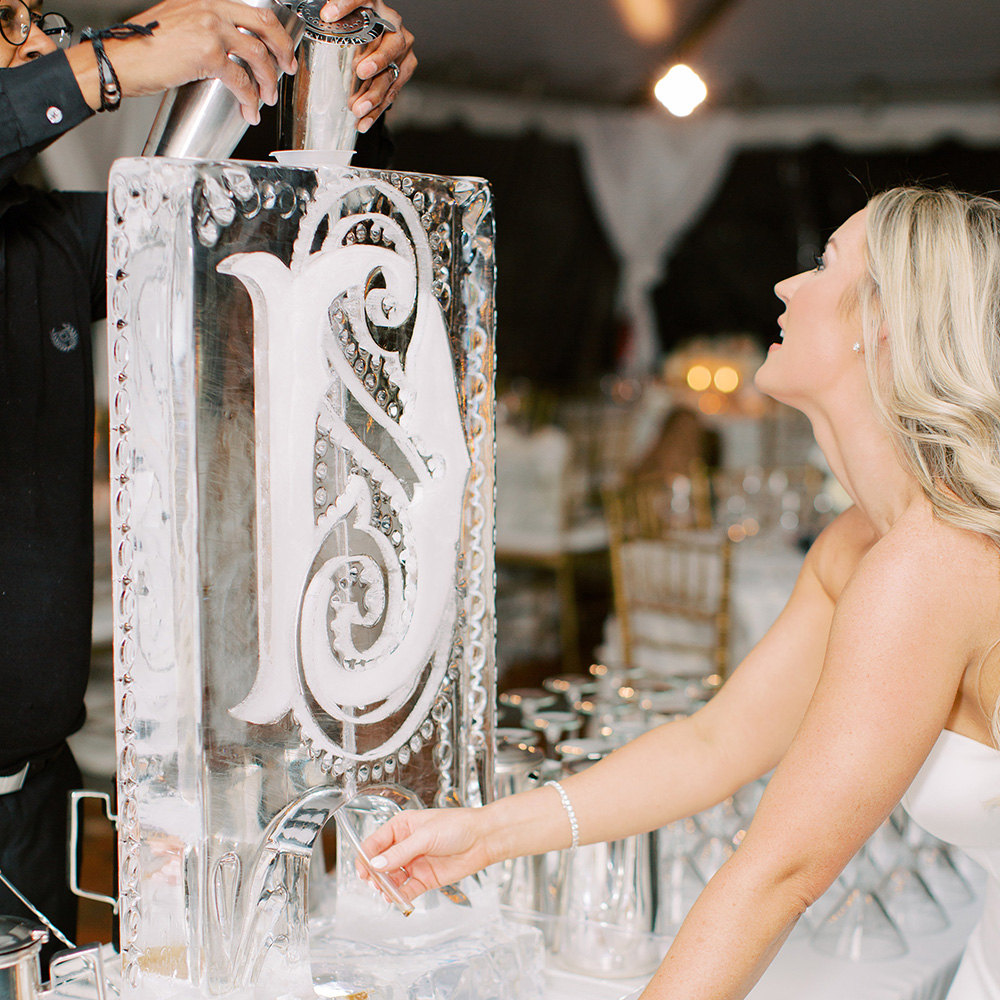
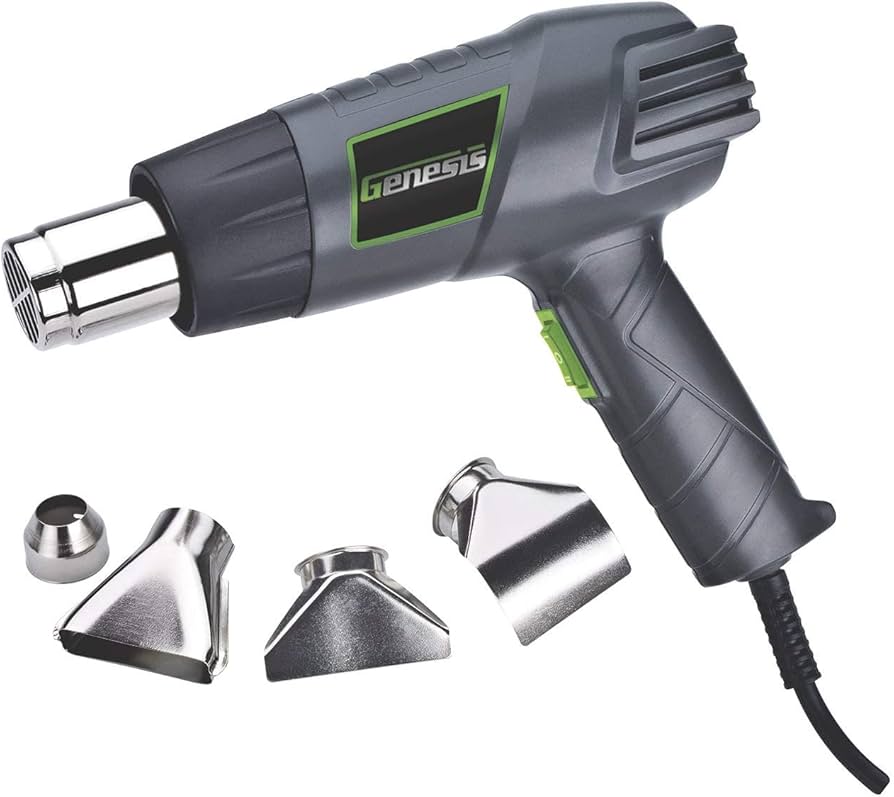
Apply a heat gun or specialized smoothing tools to melt the surface slightly, creating a glass-like finish. This step not only enhances the visual appeal but also seals the surface, slowing down the melting process during the event.
Safety gear is equally important. Ice sculpting generates significant debris and noise, making eye protection and hearing protection non-negotiable. Additionally, insulated gloves are necessary to prevent frostbite during prolonged work sessions, especially when handling large blocks of ice in unheated environments. Proper tool maintenance, including regular sharpening of blades and burrs, ensures consistent performance and reduces the physical strain on the sculptor.

As an Amazon Associate, we may earn from qualifying purchases.
Planning your ice sculpture event
Commissioning a custom ice sculpture requires coordination between your design vision and the physical constraints of the medium. Ice Impressions works directly with you or your event planner to create a presentation that fits the venue’s structural and thermal requirements. The process begins with a consultation to define the scale, complexity, and placement of the piece.
Share your theme or logo. Ice Impressions will assess feasibility, ensuring the design aligns with 2026 trends in structural integrity and visual impact.
Ice melts based on room temperature and size. Intricate details may begin to soften after 2–3 hours, while the main structure can last up to 12 hours. We recommend climate-controlled zones or outdoor shade for extended display.
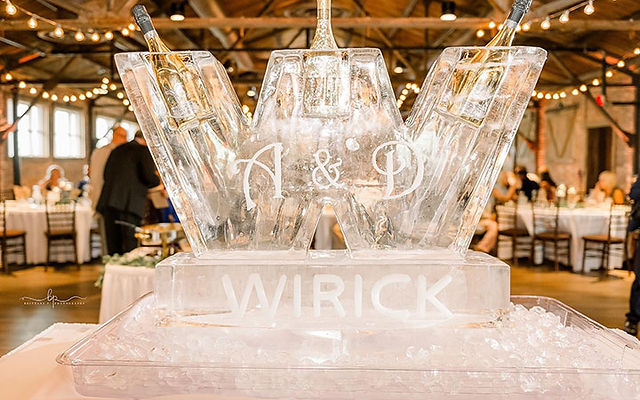
Schedule delivery within 24 hours of the event. Ice Impressions handles transport and installation, ensuring the sculpture is placed securely on approved bases or stands.
Early booking is essential, especially for peak wedding and festival seasons. Confirming your design and venue details at least four weeks in advance allows for proper carving time and quality checks. For more on custom presentations, see Ice Sculptures by Ice Impressions.
How long do ice sculptures last
The lifespan of an ice sculpture is dictated by ambient temperature and the piece’s mass. For most events, Ice Impressions designs sculptures to maintain structural integrity for 8 to 12 hours. While the core structure remains stable, intricate details—such as fine engravings or delicate arms—may begin to soften or melt within 2 to 3 hours as they are exposed to air.
To extend longevity, sculptures are kept in cold storage until the moment of display. Once moved to room temperature (68°F/20°C or higher), the melting process accelerates. High-humidity environments also contribute to faster degradation. For weddings or festivals lasting beyond a day, we recommend using ice blocks for continuous cooling or designing pieces with thicker, more robust forms to withstand longer exposure.
No comments yet. Be the first to share your thoughts!