

Estimate your ice sculpture budget
Planning a wedding or festival with ice sculptures requires more than just picking a design; it demands a realistic budget. The cost of custom ice art varies significantly based on weight, complexity, and logistics. Use the calculator below to get a rough estimate for your specific event needs.
Ice sculpture pricing is rarely flat-rate. It is calculated by the pound of ice, the labor intensity of the carving, and the distance from the ice house to your venue. This tool helps you understand how these variables impact the final price tag before you commit to a vendor.
How to use this estimate:
- Base Cost: This covers the ice block, basic carving labor, and delivery. It is a starting point, not a final quote.
- Labor Hours: This helps you gauge the time required for carving. Complex designs like detailed logos or multi-tiered structures take significantly longer.
For a precise quote, contact a local ice sculptor with your final guest count and design ideas. This calculator is a planning aid to help you set a preliminary budget range.
How sculpture size affects pricing
The primary cost driver for ice sculptures is weight. Unlike digital assets, ice has a physical mass that dictates every stage of production. A 200-pound block requires more raw material, more labor hours to carve, and significantly more energy to keep frozen than a 50-pound piece. This linear relationship between size and cost is the foundation of your budget.
Larger sculptures demand more than just extra ice; they require structural integrity. A towering swan or a wide arch needs internal reinforcement, such as steel armatures or embedded support rods, to prevent cracking or collapse under its own weight. These materials add to the bill, and the complexity of the design increases the time your sculptor spends on site.
Transporting massive ice pieces also introduces logistical costs. Standard delivery trucks may not suffice for sculptures exceeding a certain volume, requiring specialized refrigerated vehicles. If the event venue lacks a large, industrial-grade freezer for storage before the reveal, you may need to rent a temporary cold room, adding another layer of expense to the project.
To help you visualize how these costs scale, compare the resource requirements across different sizes.
| Size | Est. Weight | Structural Needs | Cost Impact |
|---|---|---|---|
| Small | 50-100 lbs | Minimal | Base rate |
| Medium | 100-300 lbs | Moderate | 1.5x - 2x |
| Large | 300-500+ lbs | High | 2.5x - 4x |
Complexity and design details
The jump from a simple block to a detailed sculpture is rarely linear. While a basic ice block might take an hour to carve, adding intricate designs, logos, or custom molds significantly increases labor time and cost. Think of it like buying a suit: a plain off-the-rack garment is affordable, but a tailored piece with specific embroidery and structure requires far more time and skill.
Custom elements are the biggest drivers of expense in ice sculpture costs. A simple monogram might add a few minutes to the process, but a full company logo or complex architectural detail can double or triple the carving time. Artisans must switch from broad chisels to fine tools, working with precision to capture every curve and line. This shift from general shaping to detailed refinement is where the bulk of the labor cost accumulates.
Custom molds introduce another layer of complexity. Instead of carving away ice, sculptors pour water into a form that already contains the desired shape. While this can speed up the creation of large, uniform pieces, the molds themselves are expensive to fabricate, especially for one-off designs. They also require precise temperature control and longer freezing times, adding logistical overhead to the event.
Note on how custom ice stamps or molds add to the initial setup cost but ensure brand consistency.
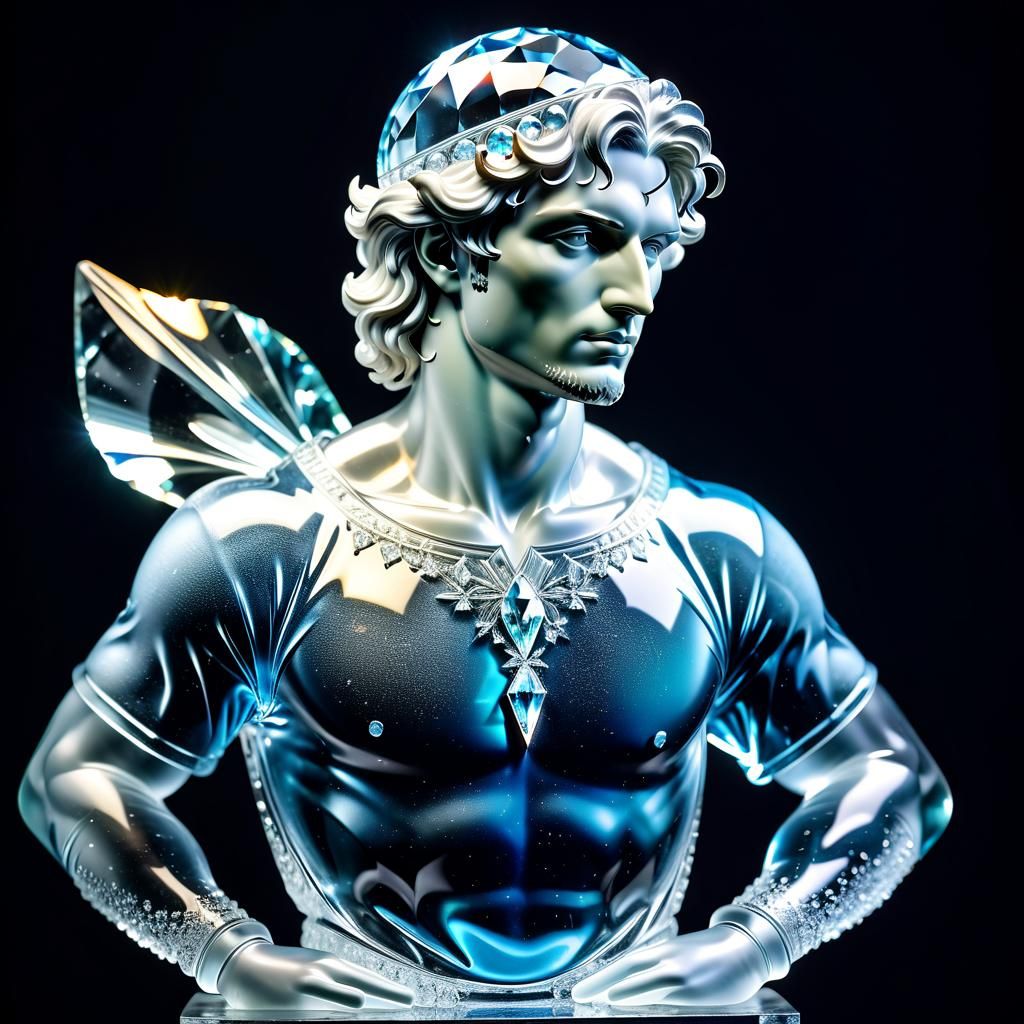
The visual payoff is undeniable. A sculpture featuring a Renaissance-style figure or a highly detailed event logo serves as a centerpiece that commands attention. However, this artistic value comes with a premium. Clients should budget for the extra time and materials required to achieve these higher levels of detail, understanding that the cost reflects the artisan's specialized labor and the unique nature of the medium.
Wedding versus festival pricing
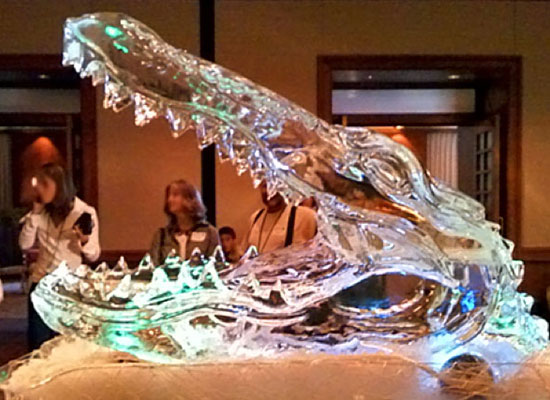
Wedding ice sculptures and festival displays follow different financial logic. A wedding is a precision event where the cost per unit is higher because of the tight timeline and demand for flawless detail. A festival is a volume play where logistical scale drives the price down, but the complexity of moving and powering large structures adds hidden costs.
Wedding pricing: precision over volume
Wedding ice sculptures are intimate by nature. You are paying for a single, highly detailed piece—often a monogram, a floral arrangement, or a custom portrait. The premium here is for labor and time. Carvers spend hours on fine details, and the sculpture must arrive at the venue ready to impress, with no room for error. Because the production run is one-off, you absorb the full cost of setup, transport, and the carver’s hourly rate without the benefit of bulk discounts. This is why the price per pound of ice is significantly higher for weddings.
Festival pricing: scale and logistics
Festival ice sculptures are built for impact and endurance. These are large-scale installations, often requiring multiple blocks, refrigeration units, and specialized lighting. While the per-unit cost drops due to volume discounts on ice and production, the logistical burden increases. You are paying for heavy-duty transport, power generators, and sometimes security to protect the art. The pricing model shifts from "artistic precision" to "engineering and durability." You are paying for the ability to keep the sculpture intact under foot traffic and varying weather conditions.
Which model fits your budget?
If you are planning a wedding ice sculpture, expect to pay for exclusivity and craftsmanship. The cost is concentrated in the creation and delivery of a single masterpiece. If you are organizing a festival ice sculpture, the budget spreads across multiple pieces and the infrastructure needed to support them. Understanding this distinction helps you allocate funds correctly: invest in detail for weddings, and in scale and stability for festivals.
Essential tools and materials
Professional ice sculpting relies on specialized equipment designed to handle extreme cold and high-speed cutting. While DIY enthusiasts can manage simple blocks with basic hand tools, achieving clean lines and intricate details requires a dedicated setup. Understanding these tools clarifies why professional ice sculptures command higher prices than amateur attempts.
Core Cutting Tools
The foundation of any ice sculpture is the chainsaw. Professionals use lightweight, high-torque models with specific ice-cutting chains to slice through dense blocks without shattering. For finer details, angle grinders with diamond-coated discs allow for precise shaping and smoothing. These power tools are essential for removing large volumes of ice quickly, setting the stage for hand-finishing.
Safety and Finishing Gear
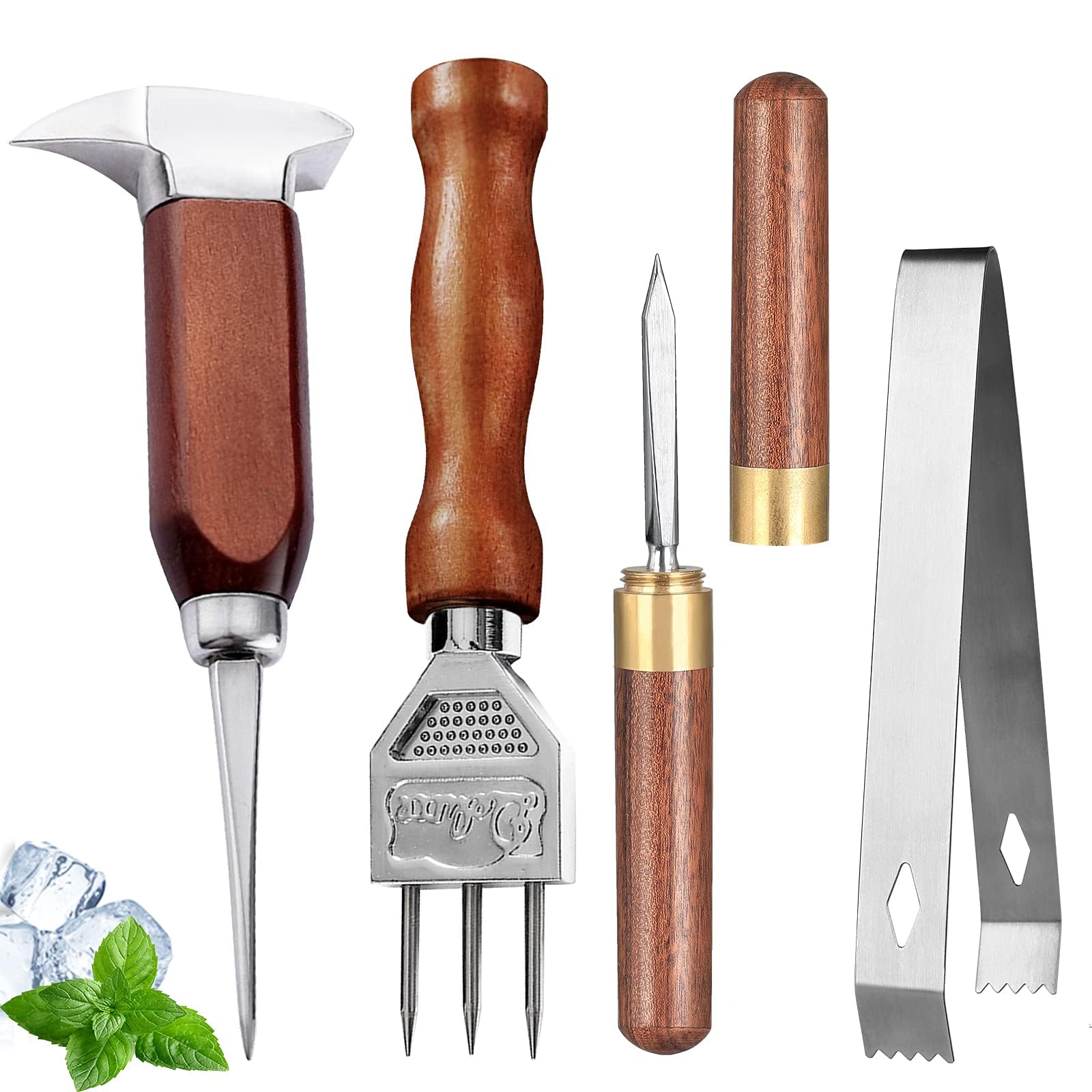
Safety is non-negotiable. Cut-resistant gloves and face shields protect against flying shards and slippery surfaces. Finishing involves hand tools like chisels, rasps, and heat guns to smooth rough edges and add texture. Ice stamps, crafted from durable food-safe materials, allow artists to emboss logos or initials onto cubes for branding purposes. Without this gear, the final product often looks jagged and unpolished.


As an Amazon Associate, we may earn from qualifying purchases.
No comments yet. Be the first to share your thoughts!