

How to Choose a Sculpture Based on Venue Conditions
Ice sculptures are temporary art. They melt as soon as the environment gets warm. Your venue’s temperature and layout dictate how long the piece survives. Choosing the right setup prevents a pool of water before the toast.
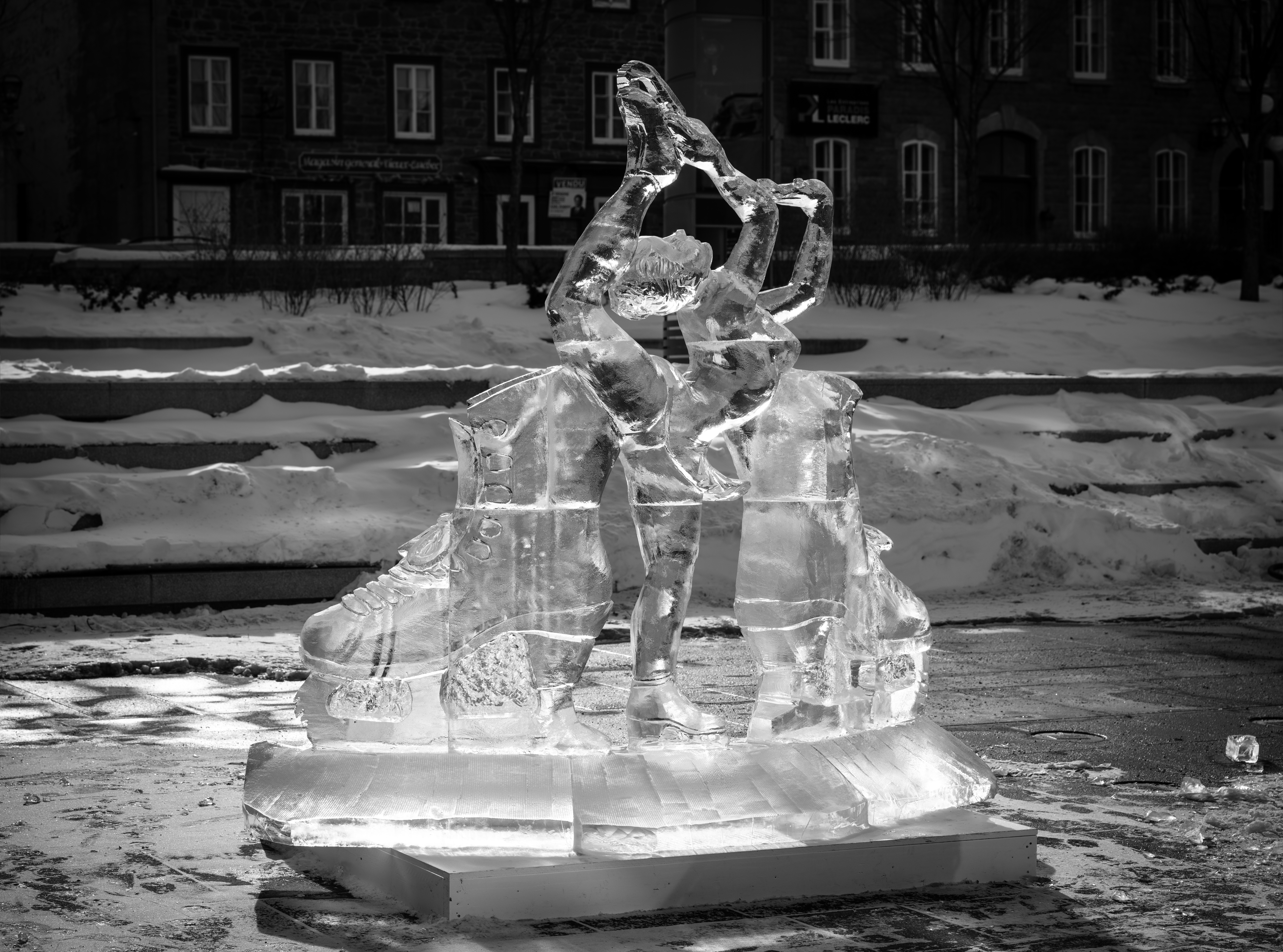
Ambient heat is the primary enemy. Indoor venues typically run between 68 and 72 degrees. At this range, a standard block sculpture lasts only 4 to 5 hours. If the room is cooler, closer to 60 degrees, you might gain an extra hour. Avoid placing the sculpture near heating vents or direct sunlight, which accelerates melting instantly.
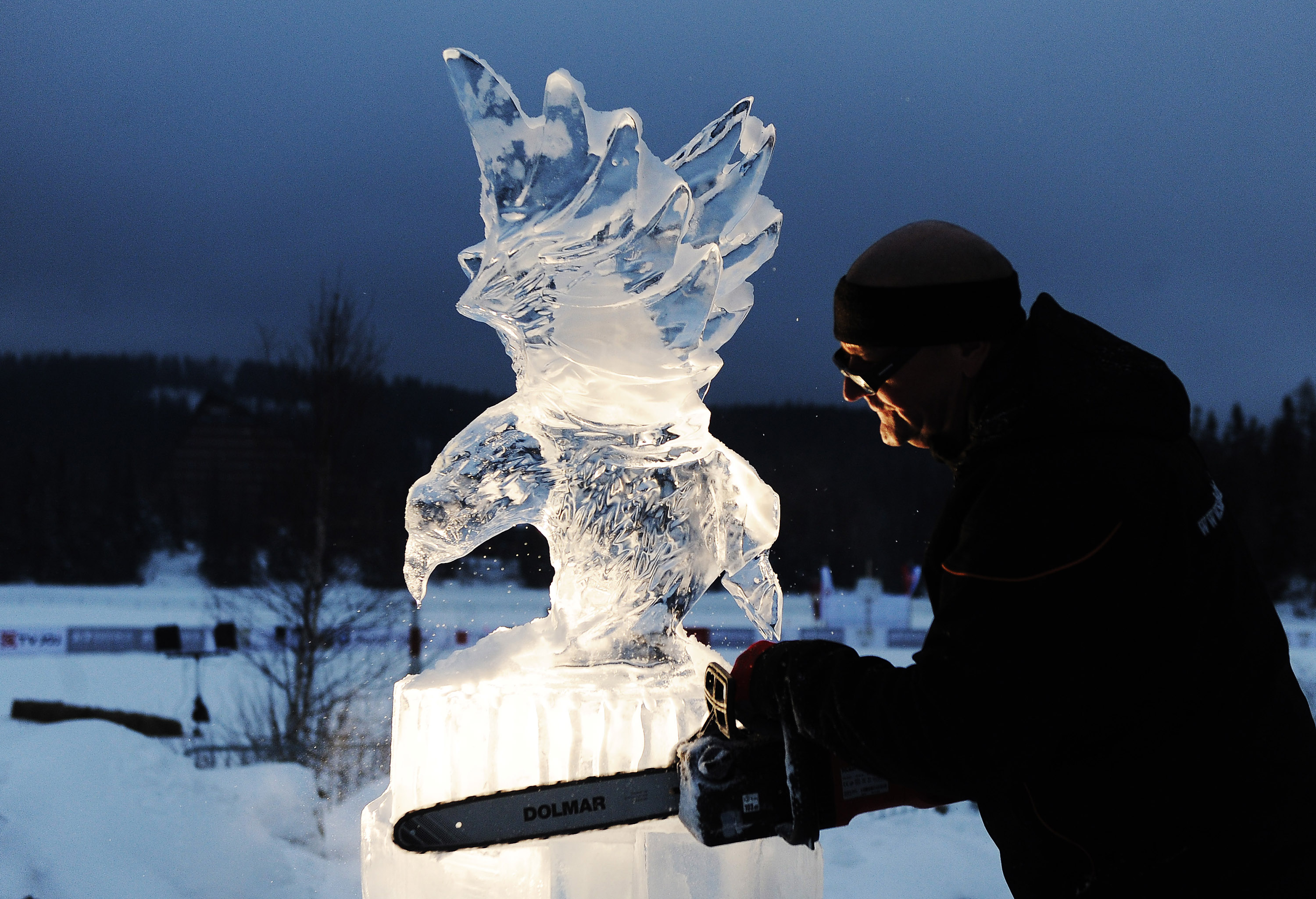
A solid, insulated base helps. Wood or metal tables without insulation transfer heat directly to the ice. Ask your venue if they provide insulated plinths or if you need to bring your own. A simple layer of foam or a dedicated ice pedestal can extend the sculpture’s life by slowing down heat conduction from the floor or table.
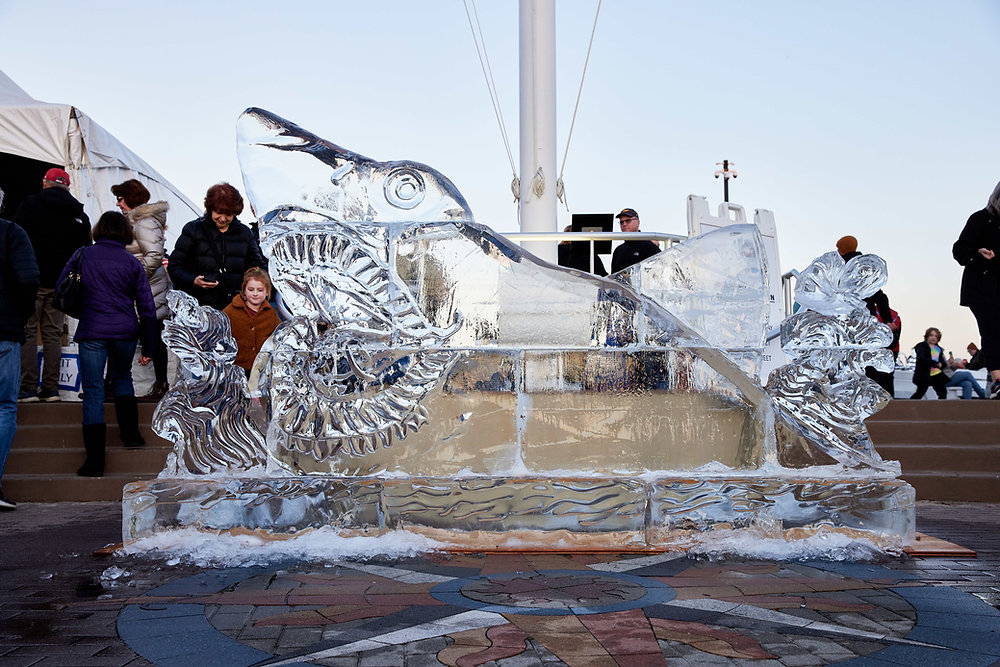
Time your sculpture’s arrival carefully. If you need it for a 6-hour reception, order a piece designed for that duration. For outdoor weddings, expect rapid melting once the sun hits. Most outdoor sculptures last only 2 to 3 hours in direct light. Consider using dry ice for visual fog effects instead of relying on the sculpture itself for late-night ambiance.
Compare nearby options
Finding an ice sculptor who can guarantee your centerpiece stays intact requires more than just picking the lowest bid. The lifespan of your sculpture depends heavily on the vendor’s preparation methods and their ability to control the environment. Some companies use hard, clear ice that melts slower, while others rely on softer, cloudy ice that degrades quickly in warm rooms.
When evaluating local vendors, look for those who offer climate-controlled enclosures or insulated bases. A standard block left on a table in a 70-degree room might vanish in eight hours, but the same sculpture on an insulated plinth with a misting system can last significantly longer. Ask potential hires about their specific setup protocols for outdoor versus indoor venues.
The table below outlines the typical durability you can expect from different storage and display methods. Use these benchmarks to negotiate with local sculptors and set realistic expectations for your wedding timeline.
| Display Method | Typical Lifespan | Best For |
|---|---|---|
| Standard Tabletop | 4–6 hours | Cool indoor venues (65°F or lower) |
| Insulated Base | 8–12 hours | Warm rooms or longer cocktail hours |
| Outdoor Canopy | 4–5 hours | Covered patios (shaded only) |
| Indoor with AC | 6–8 hours | Climate-controlled ballrooms |
If you are planning an outdoor wedding, the margin for error shrinks dramatically. Even under a tent, direct sunlight or ambient heat from lighting can accelerate melting. Vendors who specialize in outdoor events often bring additional ice blocks or cooling fans to extend the sculpture’s life.
To ensure your centerpiece survives the reception, verify that your chosen vendor includes environmental assessment in their quote. A reputable local sculptor will visit your venue beforehand to check for heat vents, direct sunlight, or poor airflow that could compromise the ice.
Verify the visit details
Before the sculpture arrives, confirm the room temperature and airflow. Most indoor sculptures last 4–5 hours, but that timeline shrinks quickly if the venue is warm or drafty. Check if the space has air conditioning or heating vents that might blow directly on the ice.
If you are hosting an outdoor wedding, the clock starts ticking the moment the sculpture is unveiled. At 50 degrees, a single block ice sculpture can last for 12 or more hours. At 70 degrees, that drops to just 8–9 hours. Plan your photo sessions and guest viewing times accordingly.
Ask your vendor about their cooling strategies. Some companies use thermal blankets or misting systems to extend the life of the ice. Knowing these details helps you manage guest expectations and ensures your centerpiece stays intact for the most important moments of the day.
How long do ice sculptures last questions
The lifespan of your centerpiece depends entirely on the environment. A single block sculpture typically lasts 4 to 6 hours indoors, but that window shrinks significantly if the venue is warm or crowded. Understanding these variables helps you plan the timing of your reception.
Does indoor temperature affect melting time?
Yes. In a cool room around 50 degrees, a sculpture can last 12 hours or more. However, most wedding venues sit between 68 and 72 degrees, reducing that time to 5–7 hours. If the air conditioning is weak or the room is packed with guests, the sculpture may melt faster than expected.
How long do ice sculptures last outdoors?
Outdoor sculptures are much more fragile. Even under a covered tent, direct sun or ambient heat can melt a sculpture in just 4 hours. If you plan an outdoor reception, you need to account for a much shorter display window or use heavy insulation.
Can ice sculptures be preserved for multiple days?
Standard ice sculptures are not designed for long-term preservation. They will melt completely within a day. If you want to keep a piece as a souvenir, you must freeze it immediately after the event, though it will likely lose its intricate details during the refreezing process.
No comments yet. Be the first to share your thoughts!