

Calculate ice needs and delivery timing
Start by matching the sculpture’s volume to your guest count. A general rule of thumb is 1.5 to 2 pounds of ice per guest for a centerpiece that needs to last the full reception. For a 100-person wedding, this means you need roughly 150–200 lbs of ice. If you are ordering a large ice bar or a multi-piece installation, the volume requirements scale up significantly, often requiring 500 lbs or more to maintain structural integrity and visual impact.
Outdoor timing is the most critical variable. An ice sculpture left outside in direct sunlight or warm air will begin melting within 2.5 to 3.5 hours, compared to 4–5 hours indoors. This means your delivery window must be extremely tight. If your ceremony starts at 4:00 PM, the sculpture should arrive no earlier than 2:30 PM to ensure it remains pristine for photos and the first toast.
Coordinate with your sculptor to confirm their specific arrival policies. Most professional ice artists require the piece to be set up on a insulated plinth or in a shaded, breezy area immediately upon arrival. Do not allow the sculpture to sit in a warm van or truck while you handle other vendor details. The moment the ice leaves the freezer, the countdown begins.
Choose a shaded, stable display location
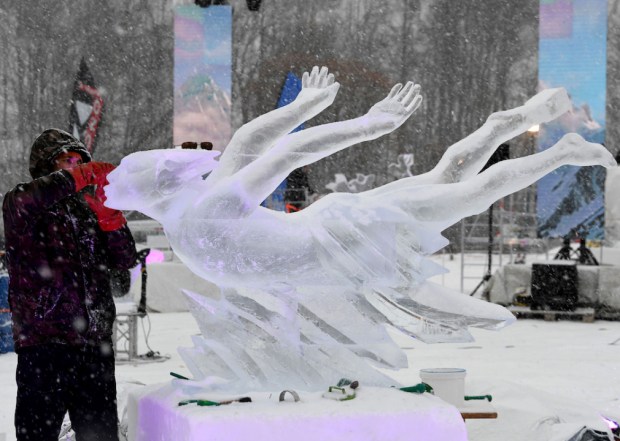
Your outdoor wedding ice sculpture needs a site that acts like a slow freezer. Direct sunlight turns clear ice into a puddle within hours, and wind accelerates melting while threatening the sculpture’s structural integrity. A heavy ice bar or large monogrammed piece requires a flat, solid surface that won’t shift under the weight.
Start by scouting the venue for natural shade. A north-facing wall or a spot under a large tree canopy provides the best protection from the sun’s angle. If natural shade is unavailable, position the sculpture under the main tent or a dedicated canopy. Avoid placing it near heat sources like outdoor heaters, fire pits, or kitchen exhaust vents, as the rising warm air will cause uneven melting.
Stability is just as critical as shade. Ice sculptures are heavy and can become slippery as they melt. Place the sculpture on a level, non-porous surface such as a concrete patio, stone pavers, or a sturdy wooden deck. Avoid grass or dirt, which can be uneven and introduce dirt into the meltwater. If you must use a temporary table, ensure it is rated for the specific weight of your ice piece and place it on a solid base, not on soft ground.
Consider the drainage path as well. Meltwater will pool around the base, so position the sculpture where water can flow away from guest walkways and electrical equipment. A slight slope or a nearby drain is ideal. If the surface is perfectly flat, place a drip tray or absorbent mats underneath to protect the venue floor and keep guests dry.
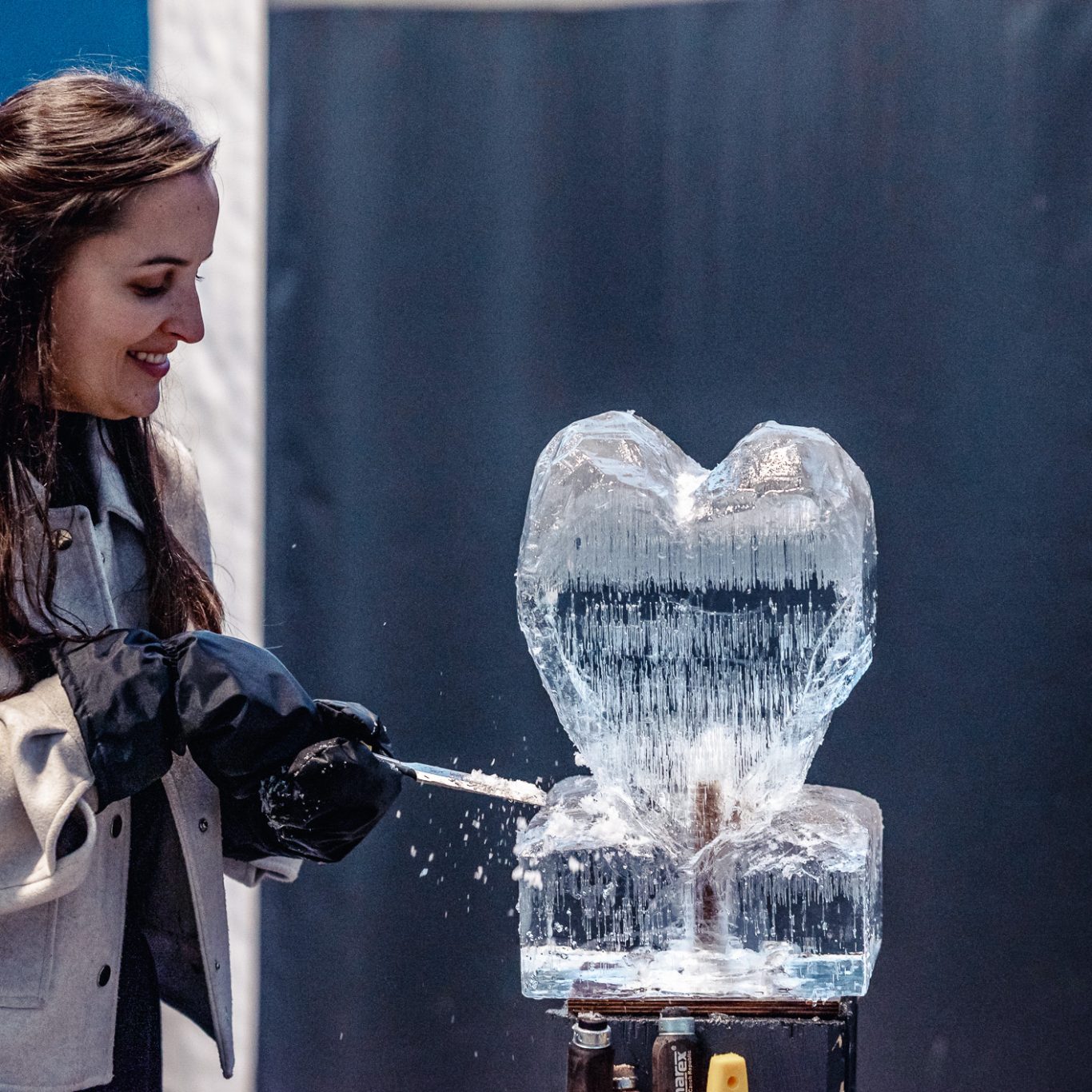
Identify north-facing walls, large trees, or existing tent structures that block direct midday sun. Avoid spots near heaters or exhaust vents.
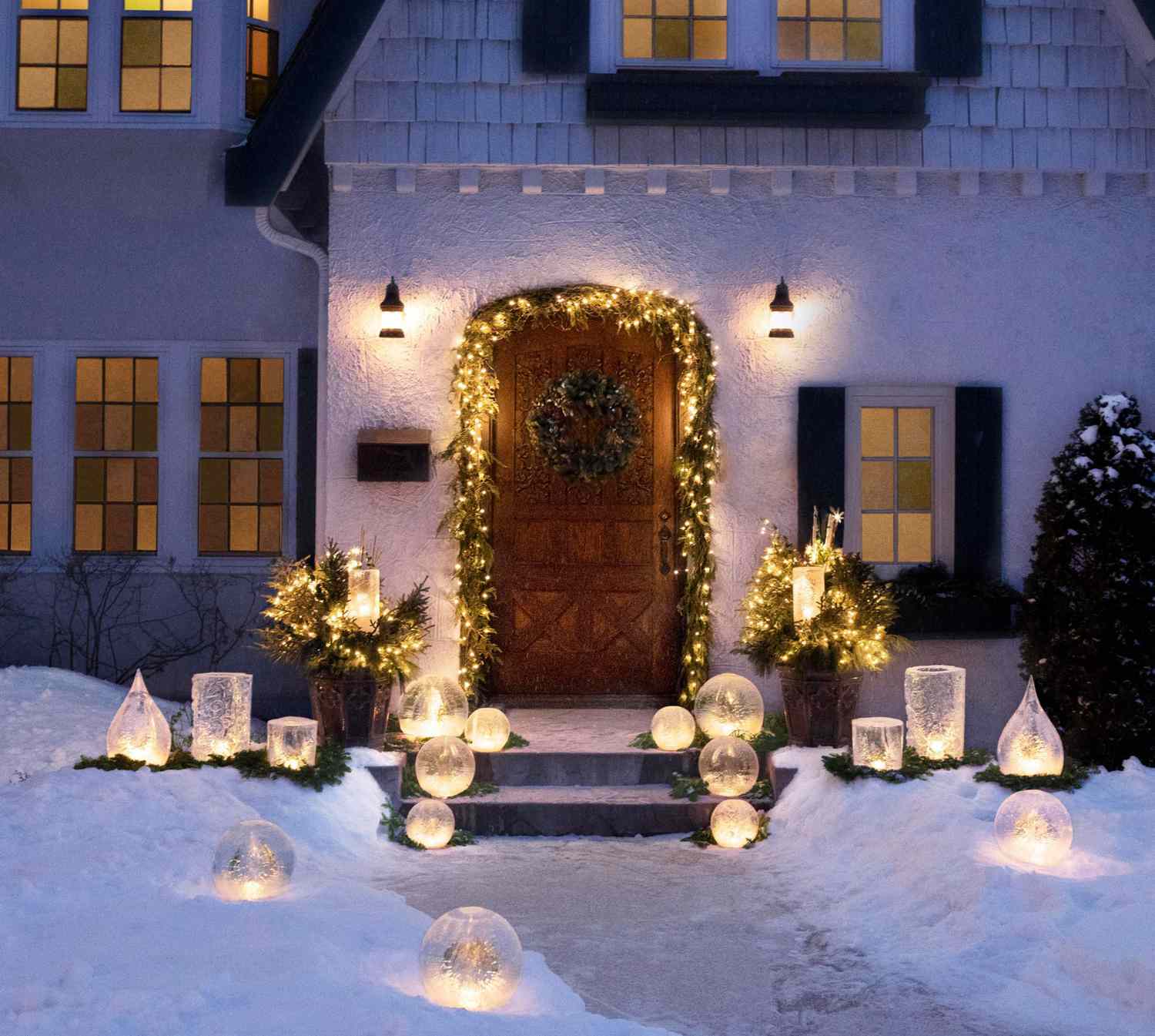
Place the sculpture on a level, non-porous surface like concrete or stone. Avoid grass or dirt. Ensure any temporary table is rated for the ice’s weight.
Position the sculpture where meltwater flows away from walkways and electronics. Use drip trays if the surface is flat to protect the venue floor.
Install drainage and protective barriers
Meltwater is the enemy of outdoor wedding flooring and guest safety. Whether you are using a hardwood dance floor, a delicate carpet, or a grassy lawn, unmanaged runoff can cause warping, staining, and dangerous slip hazards. You must treat the base of the sculpture as a wet zone that requires immediate containment.
Lay a heavy-duty waterproof barrier
Start by placing a thick, waterproof plastic sheet or heavy-duty tarp directly beneath the sculpture’s base. This layer acts as the first line of defense, catching any water that seeps through the gaps in the base structure. Ensure the plastic extends at least six inches beyond the footprint of the sculpture on all sides. This overlap ensures that any splashing or minor overflow is captured before it reaches the underlying surface. If you are installing on grass, this barrier also helps prevent the base from sinking into muddy ground as the ice melts.
Set up a perimeter containment system
For larger sculptures or those placed on hard surfaces like patios or decks, a simple tarp is not enough. You need a defined containment system to direct water away from high-traffic areas. Build a low curb around the base using waterproof materials such as plastic edging, wooden boards sealed with tape, or specialized ice sculpture trays. This perimeter creates a basin that holds the meltwater, allowing you to manage the volume rather than letting it spread uncontrollably. Connect a submersible pump to this basin if the sculpture is large enough to produce significant runoff over several hours.
Position absorbent and slip-resistant mats
Even with a containment system, some water will inevitably escape or drip from the sculpture itself. Place absorbent, non-slip mats around the immediate perimeter of the sculpture. These mats serve a dual purpose: they soak up stray droplets that bypass the containment curb, and they provide a safe walking surface for guests who may stand close to admire the piece. Choose mats with a high-grip backing to prevent them from sliding on wet floors. Replace or wring out these mats regularly throughout the event to maintain their effectiveness and keep the area dry.
Monitor and clear drainage lines
Finally, ensure that any drainage hoses or pumps are clear and positioned correctly. If you are using a pump, check the hose regularly to ensure it is not kinked or clogged with ice shards. Direct the output water away from the event space, preferably toward a garden bed or drain where it will not create new puddles. Regular monitoring prevents backup situations that could lead to sudden flooding around the sculpture base. By staying proactive with drainage, you keep the focus on the celebration, not on cleanup.
Safety and Guest Flow Logistics
An ice sculpture is a focal point, not an obstacle. Before the first guest arrives, you must verify that the installation does not narrow pathways or create slip hazards. Formal wear, particularly long hems and heels, requires clear, dry, and stable walking surfaces. Treat the sculpture’s footprint as a no-go zone for foot traffic.
Map the Guest Path
Walk the venue as a guest would. Identify the primary routes from the ceremony to the reception, the bar, and the restrooms. Ensure the ice sculpture placement leaves at least 36 inches of clearance on all sides of high-traffic areas. If the sculpture sits near a dance floor or buffet, position it so guests do not need to squeeze past it to reach essentials.
Control Water and Melt
Ice melts, and water is the primary slip hazard. Place heavy-duty, non-slip mats or absorbent towels around the base of the sculpture. These should be changed or refreshed every hour during peak service. If the sculpture is indoors, consider a shallow catch basin underneath to direct meltwater away from the floor. Outdoors, ensure the ground slopes slightly away from the base to prevent pooling.
Secure the Base
Ice is slippery and heavy. Ensure the sculpture is mounted on a stable, level surface that can support its weight. Use non-slip padding between the ice and the table or stand to prevent shifting. If the sculpture is freestanding, anchor it securely to prevent tipping. A falling sculpture is a safety risk and a disruption to the event.
Monitor Throughout the Event
Assign a staff member or vendor to check the sculpture’s stability and the surrounding area every 30 minutes. Remove any accumulated water or ice shards immediately. If the sculpture begins to melt significantly, consider moving it to a shaded area or replacing it to maintain safety and aesthetics.
Final setup checklist for vendors
The window between the ice truck’s arrival and the first guest’s arrival is narrow. Vendors must coordinate to ensure the sculpture is placed, stabilized, and drained before it begins to melt. This final setup checklist for vendors ensures every piece of equipment is in place and every safety protocol is followed.
Verify site preparation
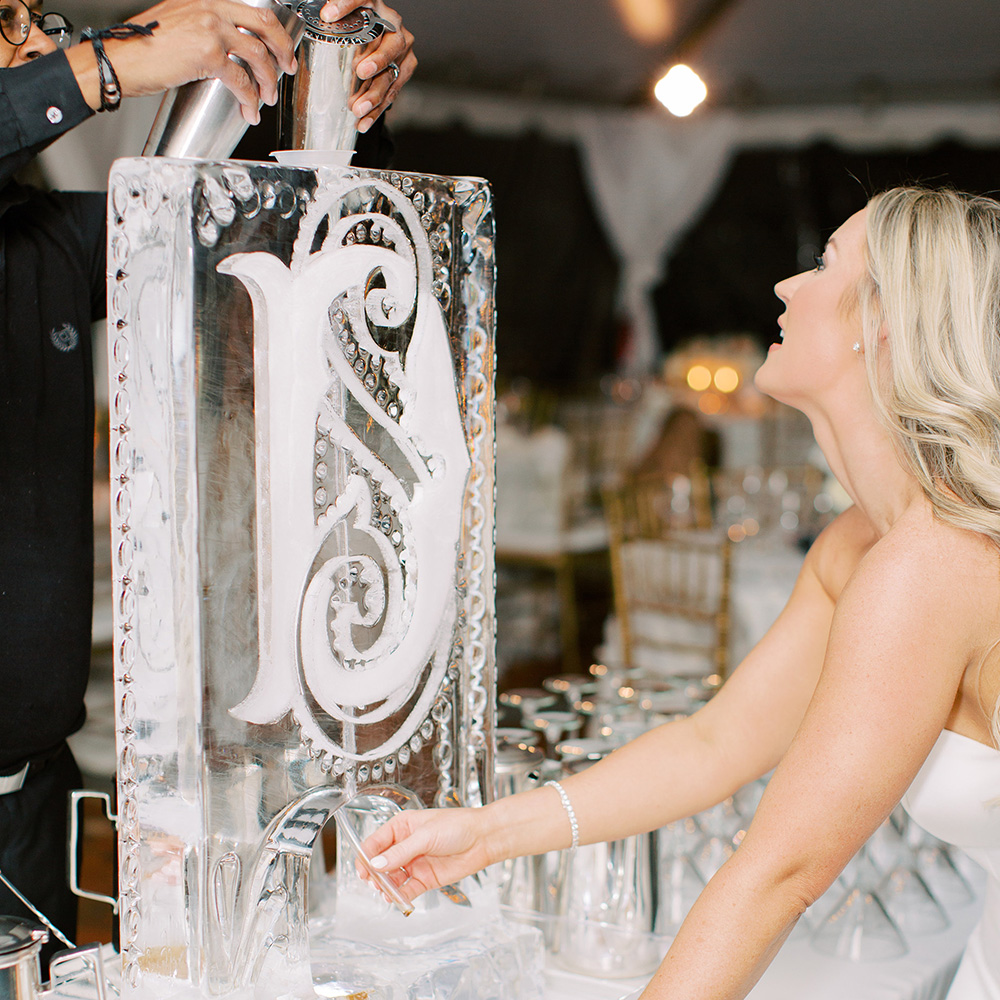
Confirm the venue has cleared the designated area of any obstacles or uneven ground. The floor must be level and capable of supporting the weight of the ice and its display stand. Check that the drainage path is clear; ice melt must flow away from guest walkways and electrical equipment. If using a pedestal, ensure it is secured and stable before the ice is unloaded.
Confirm power and cooling
If the sculpture includes lighting or an ice bar with refrigeration, verify that all electrical connections are GFCI-protected and weather-appropriate. Extension cords must be rated for outdoor use and secured with gaffer tape to prevent tripping hazards. Ensure backup power sources are ready if the venue’s grid is unreliable, as power loss can accelerate melting and compromise structural integrity.
Coordinate delivery and placement
The ice sculpting team and venue staff must meet at the agreed-upon time. The delivery team should unload directly onto the prepared site to minimize exposure to ambient heat. Verify that the sculpture is positioned exactly where the couple intended, considering sightlines for photos and guest interaction. Once placed, the team should inspect the base for leaks and adjust drainage mats if necessary.
Final safety and aesthetic inspection
Before handing over the site, conduct a final walkthrough. Check for any sharp edges or loose ice fragments that could pose a hazard to guests. Ensure that any decorative elements, such as flowers or lighting, are securely attached and not melting onto the floor. Confirm that the venue staff understands how to manage the meltwater throughout the event. This final verification ensures the outdoor wedding ice sculpture remains a stunning centerpiece without becoming a maintenance burden.
-
Site area cleared and level
-
Drainage path verified and clear
-
Electrical connections GFCI-protected and secured
-
Sculpture positioned per couple’s layout
-
Base inspected for leaks and stability
-
Safety walkthrough completed with venue staff
Common questions about outdoor ice sculptures
Outdoor ice sculptures require precise planning regarding budget, volume, and timing. The following answers address the most frequent logistical questions couples face when integrating ice art into their wedding day.
How much does an outdoor ice sculpture cost?
Pricing varies significantly based on complexity and size. Medium-sized carved pieces typically start around $450. For larger installations, such as ice bars or full-scale sculptural displays, costs generally range from $2,450 to over $5,000. These figures often include delivery and setup, but verify if cooling equipment or additional labor is included in the quote.
How much ice do I need for a 100-person wedding?
Ice volume depends on whether the sculpture is purely decorative or used for service. For a standard decorative piece at a 100-guest event, plan for 150–200 lbs of ice. If the sculpture serves as a drink cooler or features ice buckets for guests, you may need to increase this estimate by 20–30% to account for melting during service.
How long do ice sculptures last outside?
Outdoor longevity is heavily influenced by temperature, wind, and humidity. In typical outdoor conditions, an ice sculpture will last between 2.5 and 3.5 hours before significant structural melting occurs. To maximize duration, schedule the sculpture’s arrival no more than two hours before the ceremony or reception begins, and position it in the coolest, shadiest spot available.
No comments yet. Be the first to share your thoughts!