

Wedding ice sculpture melting choices that change the plan
Wedding Ice Sculpture Melting Time works best as a sequence, not a pile of settings. Do the minimum first: confirm compatibility, connect the primary device, update only when needed, and test the result before adding optional features. That order keeps the task understandable and makes failures easier to isolate. After each step, pause long enough for the device or app to finish syncing. Many setup problems are timing problems disguised as configuration problems. If the same step fails twice, record the exact error, restart the smallest affected piece, and retry before moving deeper.
| Factor | What to check | Why it matters |
|---|---|---|
| Fit | Match the option to the primary use case. | A good deal still fails if it does not fit the job. |
| Condition | Verify age, wear, and service history. | Hidden condition issues erase upfront savings. |
| Cost | Compare purchase price with likely upkeep. | The cheapest option is not always the lowest-cost option. |
Where each option wins
Choosing between an indoor and outdoor ice sculpture isn’t just about where you have space; it’s about matching the medium to your event’s timeline and atmosphere. The right choice depends on whether you prioritize longevity or visual impact.
Indoor: The Safe Bet for Longevity
Indoor venues offer a controlled environment that significantly extends the life of your sculpture. On average, an indoor ice sculpture lasts 4–5 hours, which is sufficient for most standard wedding receptions. This duration increases if the room is kept cool, the air conditioning is gentle, and the sculpture is positioned away from direct vents or heat sources.
This option is ideal for couples who want the sculpture to remain intact throughout the entire evening, perhaps as a centerpiece for dessert or a backdrop for late-night dancing. The predictable melting rate allows you to schedule the reveal with confidence, knowing it won’t vanish unexpectedly.
Outdoor: High Impact for Shorter Windows
Outdoor sculptures demand a different strategy. At 80°F, an outdoor ice sculpture may last only 2–3 hours, depending on humidity and wind. However, the visual payoff is often greater. Natural light or strategic evening lighting can make the ice sparkle in ways that indoor lighting struggles to replicate.
This option works best for shorter, high-energy events like cocktail hours or daytime garden parties where the sculpture serves as a dramatic photo opportunity rather than a long-term fixture. If you choose this route, plan for a larger, thicker block to maximize the limited window before it begins to soften.
Making the Call
If your primary goal is to have the sculpture present for the majority of your event, indoor is the clear winner. If you are hosting a brief, visually driven segment outdoors, the trade-off in time is worth the aesthetic impact. Always consult with your ice provider about the specific climate conditions expected on your wedding day to fine-tune the size and placement.
Details worth checking
Ice sculptures are temporary art, not permanent fixtures. Even with careful planning, environmental factors and vendor limitations can shorten their lifespan. Before finalizing your booking, verify these specific risks and exclusions to ensure your centerpiece survives the event.
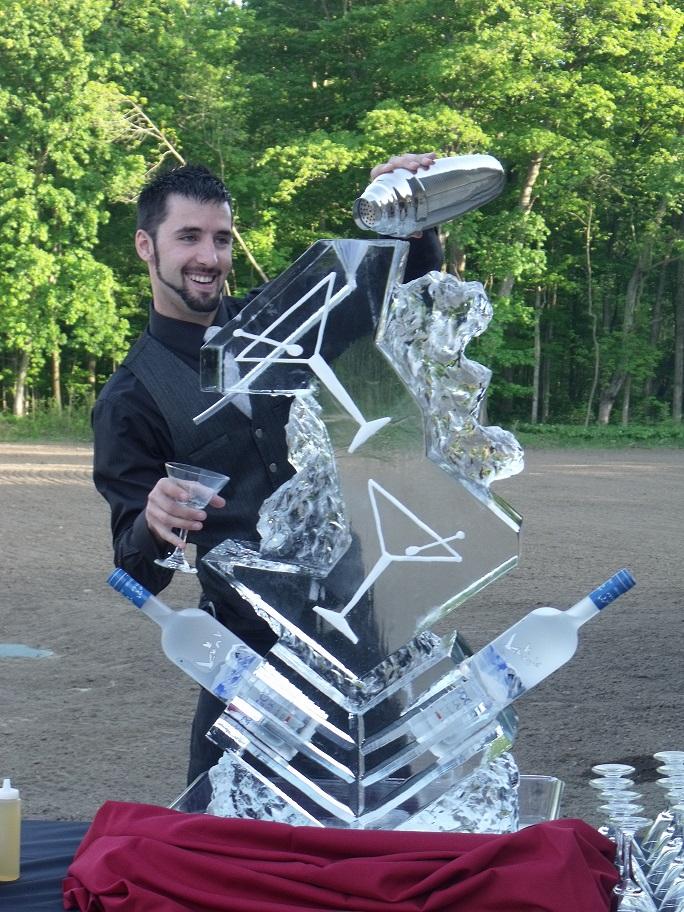
Indoor sculptures typically last 4–5 hours in standard banquet halls. If the venue lacks climate control or places the sculpture under an air vent, melting accelerates significantly. Confirm the room temperature stays below 70°F (21°C) and ask if the HVAC system can be adjusted during the display window.
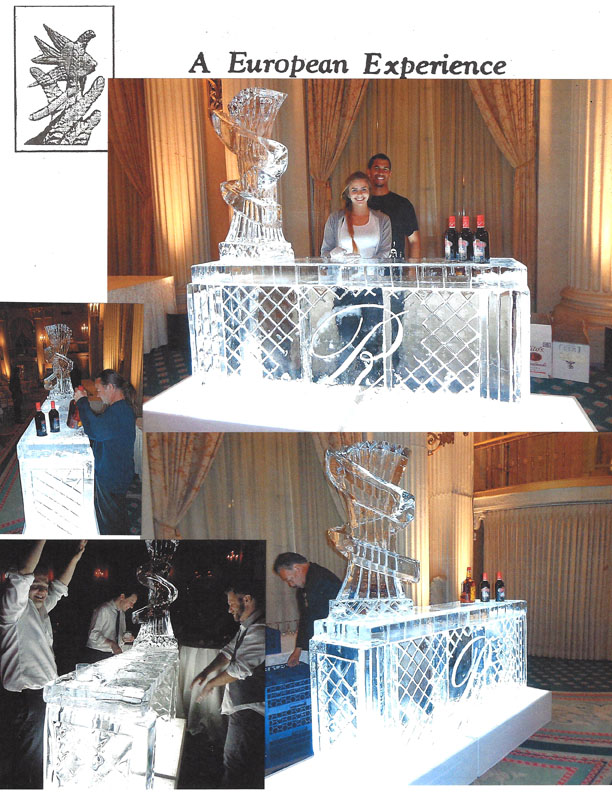
Most rental contracts exclude liability for minor melting or structural collapse due to heat. Ensure your agreement covers delivery, installation, and removal. Ask if the vendor carries insurance for accidental damage to the venue floor or surrounding decor during setup.
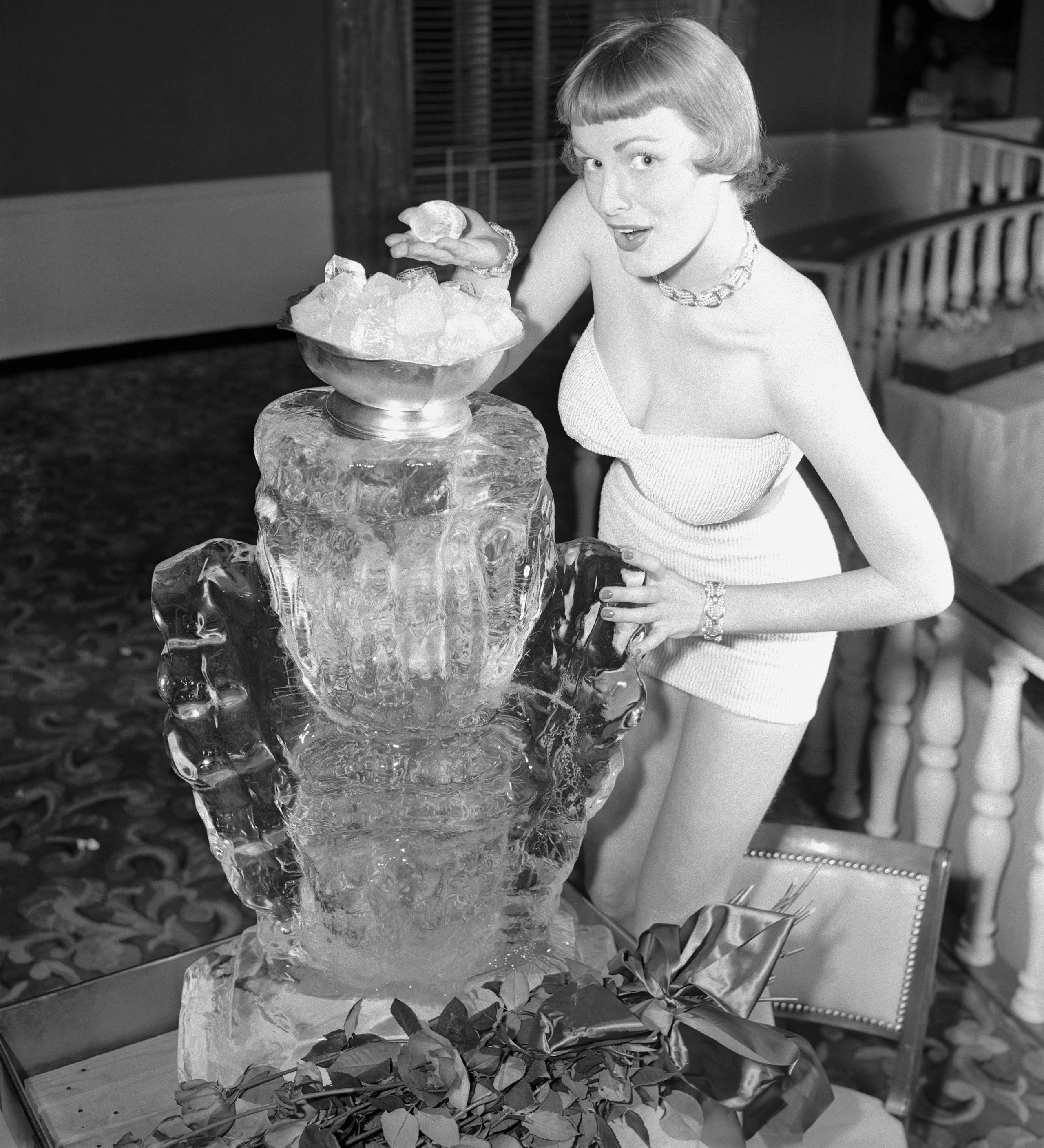
Ice requires 24–48 hours to cure properly before carving. Vendors often need early access to the venue for installation, which may conflict with other vendor load-in times. Clarify if the sculpture counts as part of your rental duration from delivery or from the moment it is unveiled to guests.
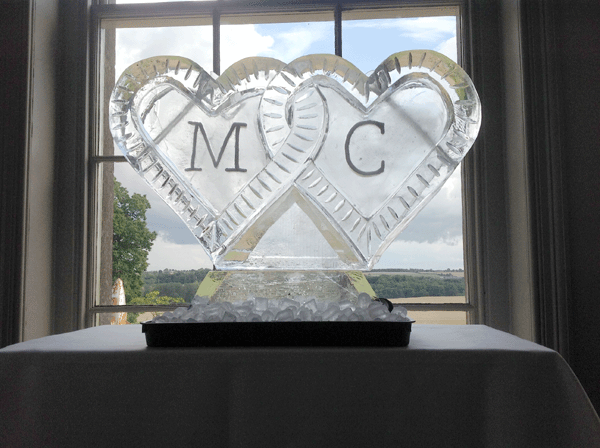
Beyond the base rental, vendors often charge for custom carving, specialized bases, or refrigerated transport. Some companies add fees for "after-hours" installation or if the sculpture requires complex structural support. Request a detailed quote that includes all labor and material costs to avoid surprise charges.
Wedding ice sculpture melting time: what to check next
Choosing an ice sculpture is a bold statement, but the clock starts ticking the moment it arrives. Understanding how long your piece will hold its shape helps you plan the timeline and avoid a puddle during the toast.
No comments yet. Be the first to share your thoughts!