

Ice Visions: VR Competitions Emerge
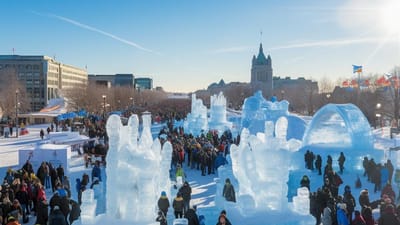
For decades, ice sculpting competitions like those hosted by Ice Impressions have captivated audiences with displays of incredible skill and artistry. These events, often held during winter festivals, traditionally require artists to work directly with massive blocks of ice, battling the elements and time to create stunning, ephemeral works. But the world changed, and with it, the landscape of artistic competition. The pandemic spurred a search for safe alternatives, and coupled with rapid advancements in virtual reality technology, a new form of competition began to take shape: VR ice sculpting.
The appeal is multifaceted. VR competitions remove the logistical hurdles of transporting and storing tons of ice, making the art form accessible to a wider range of participants and spectators. There’s also the safety factor – no more risking frostbite or injury from sharp tools. But perhaps the biggest draw is the creative freedom. Artists aren’t limited by the physical properties of ice, opening up possibilities for designs that would be impossible to realize in the real world. It’s a space where imagination truly has no bounds.
Ice Impressions, along with other organizations, quickly recognized the potential of this shift. Our Facebook community has been buzzing with discussions about the possibilities, and we've seen a growing interest in digital ice art. It’s a natural evolution for a craft that's always been about pushing boundaries and celebrating the beauty of fleeting moments. This isn’t about replacing traditional sculpting, though; it’s about expanding the definition of what ice art can be.
The Tools of the Digital Ice Trade
Stepping into the world of VR ice sculpting requires a different toolkit than its physical counterpart. The foundation is, of course, a VR headset – models from Meta, HTC, and Valve are all popular choices among artists. But the headset is just the entry point. To truly simulate the experience of working with ice, artists rely on sophisticated haptic feedback systems. These systems use vibrations and resistance to create the sensation of pressure and texture, allowing sculptors to 'feel' the ice as they shape it.
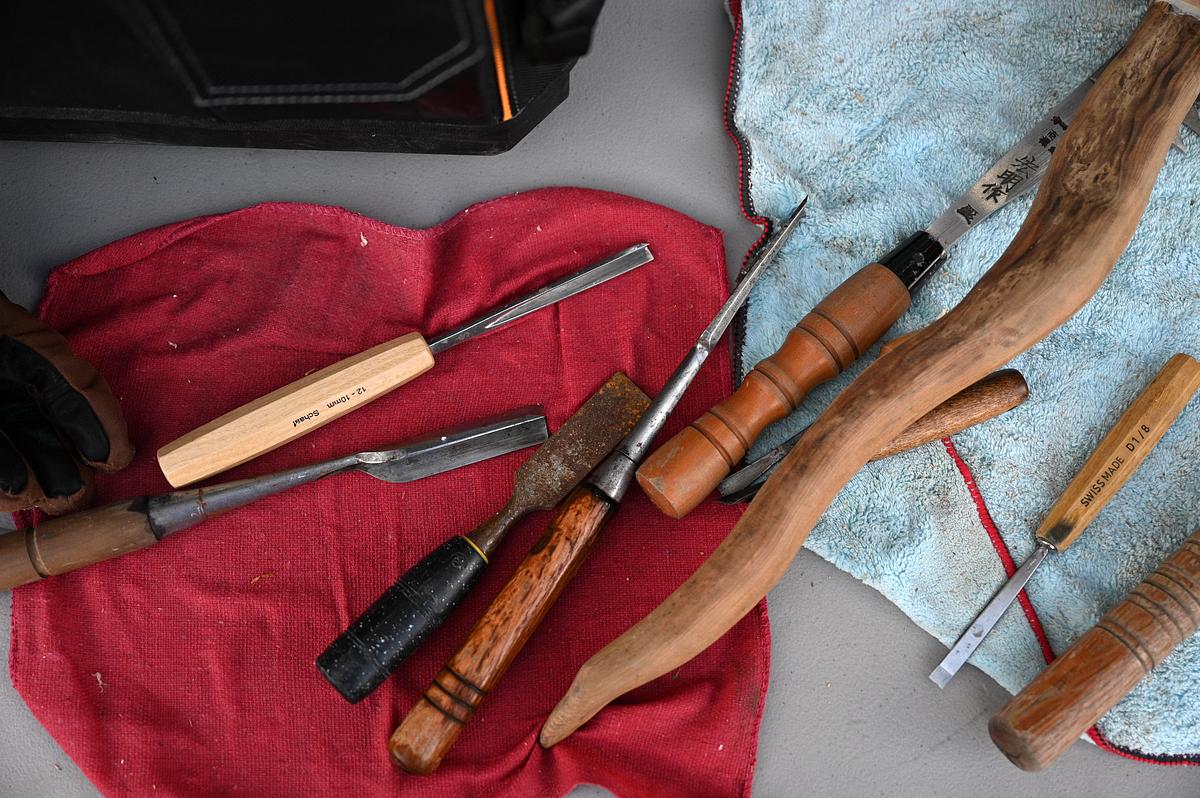
Within these virtual environments, a range of sculpting tools are available. These typically mimic the tools used in traditional sculpting – chisels, saws, rasps, and polishers – but with added digital functionality. Artists can adjust the size, shape, and intensity of each tool, and even create custom tools to suit their specific needs. Software packages like Tilt Brush and Medium are often used as starting points, though specialized VR sculpting programs are emerging to cater specifically to the needs of ice artists.
While specific SDKs or class names aren't widely publicized, the underlying principle is the same: translating physical movements into digital actions. The quality of the haptic feedback and the responsiveness of the software are crucial for creating a convincing and immersive sculpting experience. The goal isn’t just to see ice, but to feel like you’re working with it. It’s a complex challenge, but one that developers are steadily overcoming.
Judging in a Virtual World
Judging VR ice sculptures presents a unique set of challenges. The traditional criteria – artistic merit, technical skill, and originality – still apply, but how do you evaluate them in a virtual space? A panel of judges, often composed of experienced ice sculptors and art critics, carefully examines each submission, assessing the design, the execution, and the overall impact of the piece.
There are new considerations as well. Polygon count, texture quality, and the effective use of lighting all become important factors. Judges must also consider whether the sculpture adheres to any specific theme or guidelines set by the competition. Ensuring fairness and preventing cheating is also paramount. This often involves verifying the artist’s identity and monitoring their sculpting process to prevent the use of pre-made assets or unauthorized assistance.
Ice Alaska's 2025 WIAC Rules and Guidelines, while focused on physical competitions, offer insights into judging standards that translate well to the VR space – a focus on clarity of theme, technical difficulty, and overall aesthetic impact. The shift to VR requires a degree of trust and reliance on the integrity of the artists, but the community has largely embraced the spirit of fair play.
- Artistic Merit: The overall aesthetic appeal and creativity of the sculpture.
- Technical Skill: The artist’s mastery of the VR sculpting tools and techniques.
- Adherence to Theme: How well the sculpture reflects the competition’s theme (if any).
- Originality: The uniqueness and innovation of the design.
2026 Competition Formats: What to Expect
By 2026, we anticipate a diverse range of VR ice sculpting competition formats. Individual challenges, where artists compete against each other to create the most impressive sculpture within a set time limit, are likely to be common. Team-based competitions, allowing artists to collaborate and pool their skills, will also gain traction. These team events will require coordination and communication skills alongside artistic talent.
Live sculpting challenges, streamed online for a global audience, will offer a thrilling spectator experience. Asynchronous challenges, where artists have a longer period to complete their sculptures, will allow for more intricate and detailed designs. We may also see themed challenges – perhaps inspired by mythology, nature, or current events – and open-ended creative prompts that encourage artists to explore their own unique visions.
Tournament structures, similar to those used in esports, could emerge, with qualifying rounds leading to a grand final with substantial prize pools. These prizes might include cash awards, VR equipment, or opportunities to showcase their work at virtual galleries. The evolution of these formats will depend on the feedback from artists and spectators, and the ongoing development of VR technology.
Accessibility and the Democratization of Ice Art
Perhaps the most significant benefit of VR ice sculpting is its accessibility. Traditional ice sculpting demands a substantial investment in tools – chainsaws, chisels, grinders, and specialized safety equipment – not to mention the cost of acquiring and storing large blocks of ice. It also requires extensive training and physical strength. VR sculpting removes these barriers to entry.
Anyone with a VR headset and a computer can participate, regardless of their physical abilities or financial resources. This opens up the art form to a far wider audience, fostering diversity and innovation. We’re likely to see artists from all walks of life bringing their unique perspectives and experiences to the virtual sculpting table. It’s a true democratization of ice art.
This increased accessibility also creates opportunities for education and outreach. VR sculpting can be used in schools and community centers to introduce young people to the art form, inspiring the next generation of ice artists. It’s a powerful tool for breaking down barriers and fostering creativity.
The Role of Community and Spectatorship
VR ice sculpting competitions aren’t just about the artists; they’re about building a community and engaging an audience. Live streaming platforms like Twitch and YouTube are becoming increasingly popular for broadcasting these events, allowing viewers from around the world to watch the sculpting process in real-time. Virtual galleries provide immersive spaces to showcase the finished sculptures, allowing spectators to explore the details from every angle.
Social media plays a crucial role in fostering discussion and sharing artwork. Platforms like Facebook, particularly the Ice Impressions Custom Ice Sculptures page with its 525 likes, are buzzing with excitement about the potential of VR ice sculpting. Interactive spectator experiences – allowing viewers to vote for their favorite sculptures or provide feedback to the artists – could further enhance engagement.
The ability to connect with artists and fellow spectators in a virtual space creates a sense of community and shared passion. It’s a new way to experience art, and it’s one that’s rapidly gaining momentum. We are actively exploring ways to integrate these platforms into our own events and offerings at Ice Impressions.
Challenges: Realism and the 'Feel' of Ice
Despite the rapid advancements in VR technology, there are still limitations to overcome. One of the biggest challenges is replicating the sensation of working with real ice. While haptic feedback systems are improving, they still don’t fully capture the coldness, the texture, and the resistance of actual ice. It’s a subtle but important difference that can impact the sculpting process.
Creating realistic ice textures and lighting in VR is another hurdle. Achieving the right level of translucency, reflectivity, and refraction requires sophisticated rendering techniques and powerful hardware. Developers are constantly working on new algorithms and techniques to improve the visual fidelity of VR ice sculptures, but there’s still room for improvement.
Ongoing research and development are focused on addressing these challenges. Advances in haptic technology, coupled with more realistic rendering techniques, will undoubtedly bring the virtual sculpting experience closer to the real thing. It’s a continuous process of refinement and innovation.
Beyond Competition: VR as a Design Tool
VR isn’t just for competition; it’s also becoming an invaluable design tool for professional ice sculptors. Before committing to a physical sculpture, artists can use VR to plan and visualize their designs, experimenting with different shapes, textures, and lighting effects. This allows them to refine their concepts and identify potential challenges before even touching a block of ice.
This process can save time, reduce waste, and improve the overall quality of their work. By identifying potential structural weaknesses or design flaws in the virtual world, artists can avoid costly mistakes and ensure that their final sculpture is both aesthetically pleasing and structurally sound. It’s a powerful way to streamline the creative process.
At Ice Impressions, we’re exploring how to integrate VR into our own design workflow. The ability to visualize complex sculptures in 3D before fabrication will allow us to offer our clients even more customized and innovative designs. It’s a game-changer for the industry, and we’re excited to be at the forefront of this revolution.
No comments yet. Be the first to share your thoughts!