

The carbon cost of ice
Ice sculpting has a heavy environmental cost. Freezing, transporting blocks, and managing meltwater require massive energy inputs. It isn't a naturally green art form, and we need to be direct about that reality.
Traditional ice production is energy-intensive. Commercial ice makers consume a lot of electricity, and the larger the block, the greater the demand. Transportation adds to the carbon footprint, especially if the ice is shipped long distances. Then there’s the waste generated from large events – discarded ice, packaging materials, and potentially harmful sealants.
A 2022 report by the International Institute for Sustainable Ice Art estimated that a single large-scale ice festival can generate up to 50 tons of waste, primarily melted ice and packaging. While the meltwater itself isn’t inherently polluting, the energy used to create that ice is a substantial factor. We need to shift our focus toward minimizing these impacts.
Sourcing ice locally
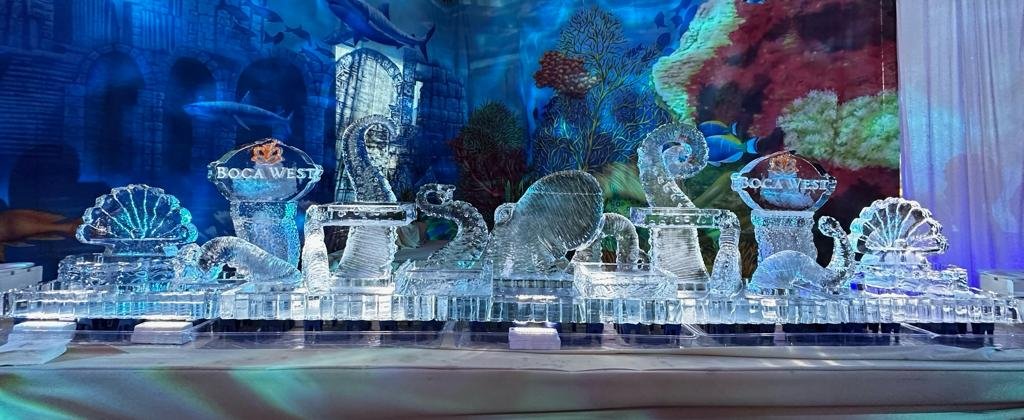
Where the ice comes from makes a huge difference. Ideally, we want to source ice locally to reduce transportation emissions. But "local’ isn"t always straightforward – it depends on the availability of suitable water sources and ice-making facilities. Many events still rely on ice harvested from natural bodies of water, but this practice can have its own ecological consequences.
There’s a growing trend towards on-site ice production using renewable energy. Several companies now offer mobile ice-making units powered by solar or wind energy. This eliminates the need for transportation and significantly reduces the carbon footprint. The initial investment is higher, but the long-term benefits are substantial. We’ve been exploring this option for some of our larger events.
Using natural water sources also presents challenges. Ensuring the water quality meets safety standards is paramount, and harvesting ice from lakes or rivers can disrupt local ecosystems. A careful assessment of environmental impact is essential. It's not always a simple solution, and the logistical hurdles can be significant. We prioritize suppliers who demonstrate a commitment to responsible sourcing and environmental stewardship.
For example, the Olkhon Ice Fest in Russia, as detailed in a 2023 MDPI study, has begun exploring partnerships with local energy providers to offset the carbon emissions associated with ice production. This is a promising model for other festivals.
Low-impact tools
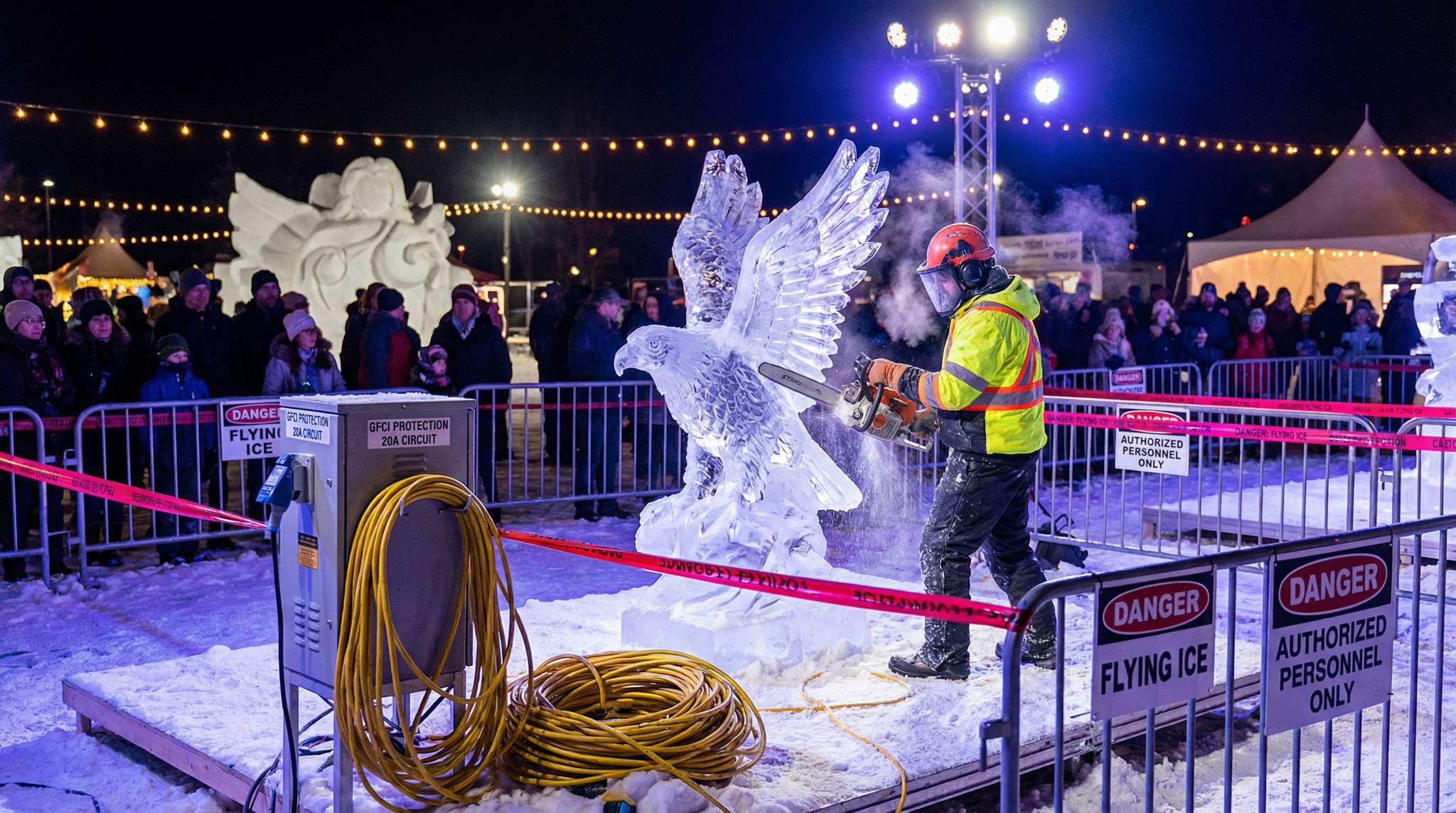
Traditionally, ice sculpting relies on power tools: chainsaws, angle grinders, and chisels. These tools are energy-intensive and can generate a lot of noise. Fortunately, there's been some innovation in this area. Electric chainsaws are becoming increasingly popular, offering a quieter and more energy-efficient alternative to gas-powered models.
Hand-powered tools still have a place, too. Skilled sculptors can achieve incredible detail using traditional chisels and rasps. While it requires more time and effort, it’s a sustainable option. We encourage our sculptors to incorporate hand tools whenever possible. It’s also a beautiful way to connect with the craft.
One of the more exciting developments is the use of waterjet cutters. These machines use high-pressure water to cut through ice with incredible precision and minimal waste. They’re expensive, but the potential for reducing material waste and energy consumption is significant. I’m curious to see how the cost of these machines comes down over time.
We’ve found that investing in high-quality, durable tools, regardless of their power source, reduces the need for frequent replacements – another step toward sustainability. A well-maintained tool lasts longer and minimizes waste.
Biodegradable coatings
Preserving ice sculptures, especially outdoors, is a major challenge. Traditionally, sculptors have relied on chemical sealants to slow down melting and maintain the sculpture’s shape. These sealants can be harmful to the environment, so finding alternatives is crucial. There’s been a lot of research into biodegradable coatings derived from plant-based materials.
Coatings made from cellulose, chitosan (derived from shellfish), and other natural polymers are showing promise. These coatings create a barrier against moisture loss, extending the sculpture’s lifespan without releasing harmful chemicals into the environment. However, their effectiveness in extreme conditions – direct sunlight, high temperatures – is still being evaluated.
These coatings aren't a perfect solution. They are less durable than traditional sealants and need frequent reapplication. However, strategic shading and placement often protect sculptures better than any chemical layer could.
Natural preservation techniques, like misting systems using recycled water, are also gaining traction. These systems create a localized cooling effect, slowing down the melting process. It's a more holistic approach that minimizes chemical use and water waste.
Capturing and reusing meltwater
What happens to the water when the sculpture melts? It's a significant volume, and simply letting it drain away feels wasteful. Capturing and reusing meltwater is a key component of sustainable ice sculpting. The water can be used for irrigation, cleaning, or even creating new ice blocks, reducing the demand for fresh water.
Implementing these systems at events can be challenging. It requires infrastructure for collection, filtration, and storage. However, even small-scale systems can make a difference. We’ve seen festivals using temporary tanks to collect meltwater for landscaping purposes.
The quality of the meltwater is also a consideration. It may contain traces of sealant or other contaminants, so filtration is essential before reuse. A comprehensive water management plan is crucial for ensuring sustainability. I’ve seen some interesting small-scale setups at festivals where they filter and reuse the water for on-site cleaning.
The cost of implementing these systems can be a barrier, but the long-term benefits – reduced water consumption and environmental impact – outweigh the initial investment. It's about viewing meltwater not as waste, but as a valuable resource.
Designing for disassembly
The design process itself plays a crucial role in sustainability. Can we design sculptures to be more easily disassembled and recycled? Can we use modular designs that allow for reuse of components? This concept – "design for disassembly" – is gaining traction in other industries and can be applied to ice sculpting.
For example, instead of carving a single, monolithic sculpture, we could create a series of smaller, interconnected elements. These elements could be reused in future sculptures or repurposed for other artistic applications. It requires a different approach to design, but it opens up new possibilities.
We’re also exploring the use of ice molds to create standardized components. This would allow for mass production of reusable elements, reducing the need for extensive carving. I think this is an area where creativity can really shine – finding innovative ways to minimize waste and maximize reuse.
Consider using designs that naturally break down into manageable pieces as they melt, rather than creating large, unwieldy chunks. This simplifies cleanup and reduces the risk of damage to surrounding areas.
What comes next
The shift toward sustainable ice sculpting depends on making biodegradable coatings affordable and effective. Moving production on-site with renewable energy is the next logical step for the industry.
Potential policy changes could also play a role. Governments could offer incentives for sustainable ice sculpting practices or impose stricter regulations on the use of harmful chemicals. Consumer demand will also be a driving force. As more people become aware of the environmental impact of ice sculpting, they’ll be more likely to choose sustainable options.
It’s not about eliminating ice sculpting – it’s about making it more responsible. By embracing sustainable practices, we can continue to enjoy the beauty and artistry of ice sculptures while minimizing our impact on the planet. We believe that sustainability and creativity can go hand in hand.
The future likely holds more integration of technology: sensors monitoring ice melt, automated water recycling systems, and even AI-powered design tools that optimize for material efficiency. The possibilities are exciting, and we at Ice Impressions are eager to be a part of this evolution.
Qualitative Comparison of Sustainable Ice Sculpting Projects (2026)
| Project Name | Location | Description | Energy Use | Water Conservation | Waste Reduction | Tool Efficiency |
|---|---|---|---|---|---|---|
| 'Frozen Bloom' Installation | Reykjavik, Iceland | Large-scale floral ice sculpture utilizing geothermal energy for cooling and minimal tool intervention. | Lower - Geothermal reliance | Better for - Recycled meltwater use | Higher - Primarily natural degradation | Better for - Minimal power tool use |
| 'Arctic Reflections' Festival | Fairbanks, Alaska | Community-based festival featuring smaller, individually sculpted pieces with focus on local ice harvesting. | Moderate - Standard refrigeration, localized sourcing | Moderate - Natural ice source, careful meltwater management | Moderate - Some waste from initial block shaping | Moderate - Mix of traditional and power tools |
| 'Ephemeral City' Exhibit | Montreal, Canada | Complex architectural ice structures constructed with a closed-loop water system and biodegradable support structures. | Moderate - Refrigeration, but water recycling | Better for - Closed-loop water system minimizes loss | Higher - Biodegradable support structures | Moderate - Requires precision power tools |
| 'Glacial Echoes' Competition | Harbin, China | International competition promoting innovative sculpting techniques with an emphasis on minimal waste. | Higher - Large-scale refrigeration needed | Moderate - Careful ice block management, some water loss | Moderate - Waste from competition pieces | Moderate - Wide range of tool use, some inefficient practices |
| 'River Ice Revival' Project | Stockholm, Sweden | Utilizes naturally frozen river ice for sculpting, minimizing energy expenditure and transportation. | Lowest - Relies on natural freezing | Highest - Direct use of natural resource | Higher - Minimal waste, natural degradation | Better for - Primarily hand tools |
| 'Sustainable Seas' Display | Sydney, Australia | Ocean-themed sculptures employing ice made with desalinated water and powered by solar energy. | Moderate - Solar power offsets desalination energy | Trade-off - Desalination process has environmental impact, but water is reused | Moderate - Minimal waste, natural degradation | Moderate - Requires precision tools for intricate designs |
Qualitative comparison based on the article research brief. Confirm current product details in the official docs before making implementation choices.
No comments yet. Be the first to share your thoughts!