

Frozen Futures: AI & Wedding Ice
The wedding industry is constantly evolving, and in 2026, we’re seeing a remarkable shift: AI-designed ice sculptures are poised to become a defining trend. It’s not simply about having an ice sculpture; it’s about the level of detail, personalization, and sheer artistry now achievable. Summer weddings, in particular, are a natural fit for this trend, offering a visually striking and surprisingly resilient centerpiece to outdoor celebrations.
Ice sculpting itself has a long history, dating back to ancient China where ice was used for cooling and decorative purposes. European royalty adopted the practice in the 19th century, and it gradually became a fixture at grand events. But traditional sculpting, while beautiful, is limited by the skill and time of the artist. AI changes that equation entirely.
What’s exciting is that this isn’t about replacing artistry, but amplifying it. AI tools allow for the creation of designs previously considered impossible, opening up a new realm of possibilities for couples seeking truly unique wedding décor. The technology allows for complex geometries and intricate details to be realized with a precision that’s difficult to match by hand, and at a scale that makes these pieces accessible to more couples.
We at Ice Impressions are seeing a growing demand for these bespoke creations. It’s a thrilling time to be involved in this craft, and we’re committed to helping couples bring their frozen visions to life. The combination of human creativity and artificial intelligence is proving to be a powerful force in the world of wedding design.
The Design Shift: From Chisels to Code
The most significant change AI brings to ice sculpting is in the design process. Traditionally, a sculptor would create a design based on a client’s request, often relying on sketches and models. This process is time-consuming and requires considerable skill. Now, algorithms can generate countless design options based on specific parameters—a couple’s initials, a favorite flower, even a particular architectural style.
Generative AI tools are at the heart of this transformation. These programs don’t just execute a pre-defined design; they create designs, exploring a vast design space to find solutions that might never have occurred to a human artist. These algorithms can account for structural integrity, ice properties, and even the ambient temperature to ensure the sculpture will hold its form.
There's been some understandable concern among sculptors about whether AI will replace their jobs. I believe the reality is far more nuanced. AI isn’t eliminating the need for skilled sculptors; it’s augmenting their abilities. Sculptors can use AI to rapidly prototype designs, explore different variations, and then refine the output with their own expertise.
The role of the sculptor is evolving from solely a creator to a curator and finisher. They’re responsible for selecting the best AI-generated designs, making subtle adjustments, and ultimately bringing the sculpture to life with their craftsmanship. It’s a collaborative process, blending the precision of AI with the artistry of the human hand. This allows for a level of customization previously unattainable.
Popular Motifs: 2026’s Frozen Themes
Based on current trends observed on platforms like Pinterest and our own data at Ice Impressions, several design motifs are emerging as particularly popular for 2026 weddings. We’re moving away from overly ornate or traditional designs and towards a more organic and personalized aesthetic.
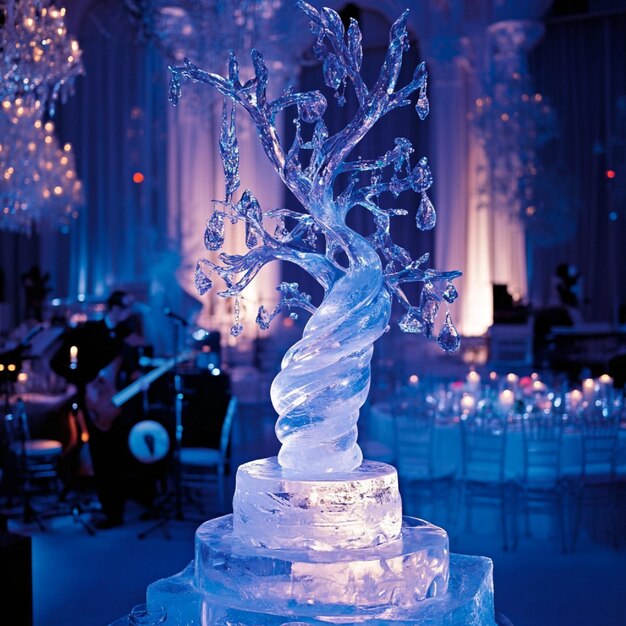
Organic shapes—flowing lines inspired by nature—are dominating requests. Think stylized floral arrangements, realistic depictions of leaves and vines, and abstract representations of water or ice crystals. These designs have a natural elegance and blend seamlessly with outdoor settings. Geometric patterns, particularly those with a modern or Art Deco influence, are also gaining traction.
Personalized monograms remain a classic choice, but couples are requesting more creative interpretations. Instead of a simple initial, we’re seeing designs that incorporate the couple’s names into a larger, more artistic composition. Floral designs are consistently popular, with roses, lilies, and orchids being the most requested blooms.
We're also seeing an increase in requests for miniature scenes encased within the ice – tiny recreations of the couple’s first date location, or a symbolic representation of their shared hobbies. These intricate details add a unique and personal touch to the sculpture. The key is to move away from simply 'elegant' and focus on designs that are visually interesting and meaningful to the couple.
Temperature Control: The Tech Behind Longevity
One of the biggest challenges with ice sculptures, especially for summer weddings, is maintaining their structural integrity in warmer temperatures. Proper ice quality is paramount. We use specially filtered water, frozen slowly to create dense, clear ice that melts at a slower rate. This isn’t your average ice maker ice.
Chilling techniques are also crucial. Sculptures are typically created in refrigerated environments and transported in insulated containers. However, even with these precautions, the sculpture will eventually begin to melt. This is where the 'Smart Ice Sculpting Tools of 2026' come into play. We’re seeing increased use of temperature monitoring systems that provide real-time data on the sculpture’s internal temperature.
Automated chilling units, essentially miniature refrigerators built into the display base, are becoming more common. These units circulate chilled air around the sculpture, significantly slowing down the melting process. Some systems even incorporate misting technology to further cool the ice. These systems are becoming more affordable and accessible, making them a viable option for a wider range of events.
The placement of the sculpture is also vital. Avoid direct sunlight and areas with high wind, as both can accelerate melting. Insulated displays can help to maintain a consistent temperature, and strategic lighting can enhance the sculpture’s visual appeal while minimizing heat exposure. It's a balance between aesthetics and preservation. We’ve found that a well-maintained sculpture can easily last several hours, even in warm weather.
Beyond the Block: New Ice Forms
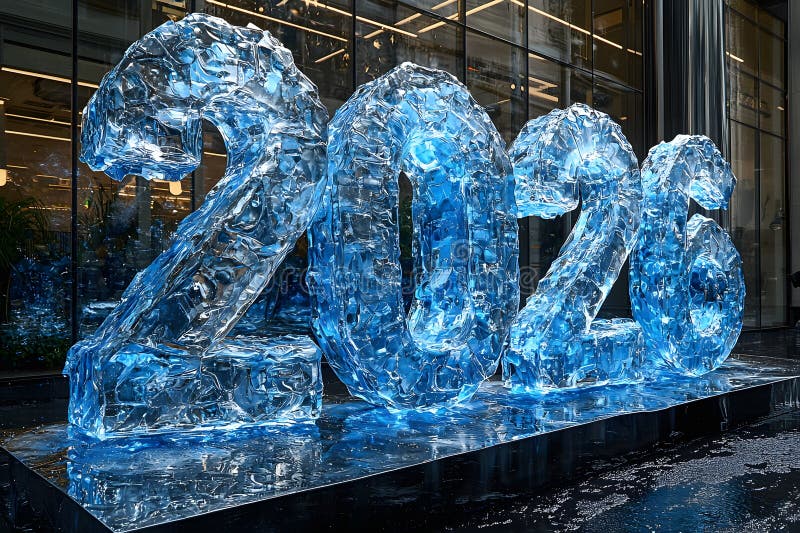
Traditional ice sculptures are often created from large, rectangular blocks of ice. However, we’re seeing a growing trend towards more innovative ice forms. Clear ice, created through a controlled freezing process, is highly sought after for its clarity and visual appeal. It allows light to pass through the sculpture, creating a stunning effect.
Colored ice, achieved by adding food-grade dyes to the water, is another popular option. This allows for the creation of vibrant and eye-catching designs. Layered ice, with different colors or textures, can add depth and complexity to the sculpture. AI can play a role in optimizing ice block cutting patterns, minimizing waste and maximizing the complexity of the design.
For example, an algorithm can analyze a complex design and determine the most efficient way to cut the ice blocks to minimize material loss. This is particularly important when working with expensive clear ice. We're also experimenting with incorporating other materials, such as acrylic or LED lights, into the ice sculptures to create unique visual effects.
The possibilities are truly endless. We’re moving beyond simple shapes and towards truly artistic creations that push the boundaries of what’s possible with ice. The combination of AI-driven design and innovative ice forms is transforming the world of ice sculpting.
Sculptor's Perspective: AI as a Tool
I’ve spoken with several ice sculptors who are embracing AI as a tool, and their perspectives are overwhelmingly positive. Marco Esposito, a sculptor based in Italy, told me, “AI doesn’t replace the artist; it empowers them. It allows me to explore more ideas in less time, and to create designs that I simply wouldn’t have been able to achieve otherwise.”
Another sculptor, Anya Petrova from Russia, shared a similar sentiment. “The initial fear was that AI would take our jobs, but that hasn’t happened. Instead, it’s opened up new opportunities. I’m now able to take on more complex projects and offer my clients a wider range of design options.”
The consensus seems to be that AI is best used as a collaborative partner. Sculptors can use AI to generate initial designs, then refine and customize them with their own skills and expertise. This allows them to focus on the artistry and craftsmanship, while letting AI handle the more tedious aspects of the design process.
It’s a shift in mindset, but one that most sculptors are readily embracing. The future of ice sculpting isn’t about humans versus machines; it’s about humans and machines working together to create something truly beautiful.
Cost Considerations: AI’s Impact on Pricing
The introduction of AI into the ice sculpting process doesn’t automatically translate to lower prices. The cost of an AI-designed ice sculpture depends on a variety of factors, including the complexity of the design, the quality of the ice, and the labor involved.
More intricate designs, whether created with or without AI, will naturally cost more. Clear ice is also more expensive than standard ice due to the specialized freezing process. However, AI can potentially streamline the design process and reduce waste, which could lead to cost savings in some cases.
We're finding that AI can help us to optimize ice block usage, minimizing material waste and reducing the overall cost of the sculpture. It also allows us to offer more customized designs without significantly increasing labor costs. Ultimately, pricing is determined on a case-by-case basis, taking into account the specific requirements of each project.
It’s also important to consider the value proposition. An AI-designed ice sculpture offers a level of artistry and personalization that’s simply not possible with traditional sculpting, and that value is reflected in the price.
Finding Your Artist: Where to Start
If you’re considering an AI-designed ice sculpture for your wedding, the first step is to find a reputable ice sculptor. Look for artists with a strong portfolio and a proven track record of creating high-quality work. Online reviews and testimonials can also be helpful.
When contacting potential sculptors, be prepared to discuss your vision for the sculpture. Share any inspiration images or ideas you have, and be open to suggestions. Don’t hesitate to ask questions about their experience with AI-assisted design and their ability to create the specific design you have in mind.
Collaboration is key. The best results come from a close working relationship between the couple and the sculptor. Be prepared to provide feedback throughout the design process and to work together to refine the sculpture until it perfectly matches your vision.
Ready to explore the possibilities? Contact Ice Impressions today for a consultation. We’re passionate about creating stunning ice sculptures that will make your wedding truly unforgettable. Let us help you transform your frozen dreams into a breathtaking reality.
These Summer 2026 wedding trends are taking over #WeddingTok right now...! https://t.co/TbvHZSkVJ2 pic.twitter.com/Lq1nbbZwep
— Your Coffee Break (@UrCoffeeBreak) May 1, 2026


No comments yet. Be the first to share your thoughts!