

Smart ice sculptures
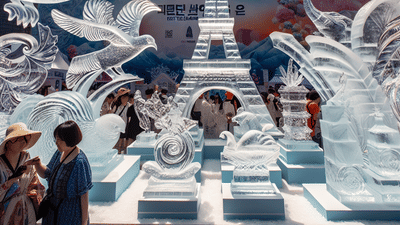
Ice sculpting used to rely entirely on the carver's hands and the clarity of the block. Today, we are using LEDs to turn these frozen shapes into interactive pieces. It isn't just about shining a light on the ice; we are freezing the electronics directly into the design.
What was once limited to a beautiful, frozen form is now capable of captivating audiences with shifting colors, programmed patterns, and even responsive interactions. This isn't just about adding a light to an ice sculpture, it’s about building the light into the sculpture’s very design. The demand for unique experiences at events – weddings, festivals, corporate gatherings – is driving this shift. People want more than just a pretty decoration; they want something memorable, something that sparks conversation and wonder.
The 'wow' factor is undeniable. A traditionally sculpted ice swan is beautiful, certainly. But an ice swan that gently illuminates and changes color in response to music? That's something people will talk about. Ice Impressions has seen a considerable rise in requests for these types of installations, with clients consistently seeking ways to elevate their events beyond the conventional. It’s a trend that’s only expected to grow as the technology becomes more accessible and affordable.
The beauty of these sculptures is that they aren’t just visual; they engage multiple senses. The cool temperature of the ice, the shimmering light, and the potential for sound-reactive displays create a truly immersive experience. They’re becoming centerpieces, not just of events, but of the growing desire for experiential art.
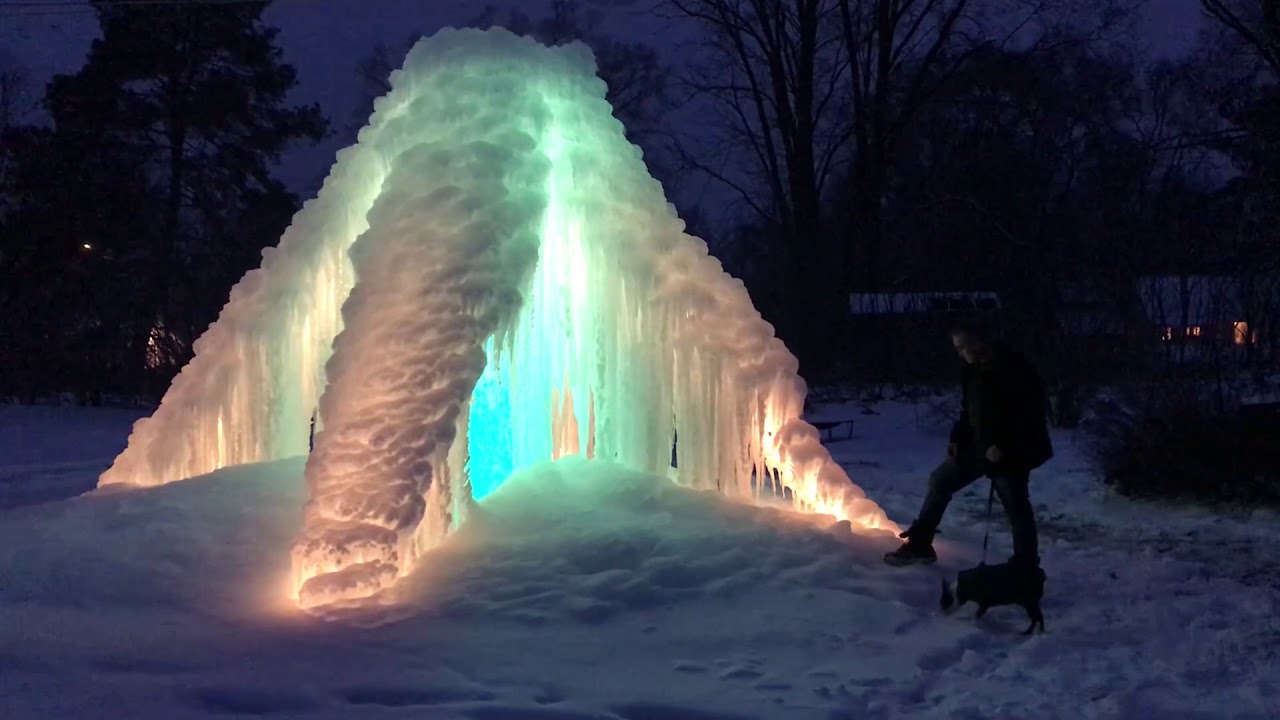
Keeping LEDs dry in a block of ice
Integrating LEDs into ice sculptures presents some unique technical challenges. It’s not as simple as just dropping lights into the ice and hoping for the best. The primary concern is, unsurprisingly, water. LEDs and electrical components obviously don’t mix well with water, so robust waterproofing is absolutely essential. Beyond that, heat dissipation is a significant issue. LEDs generate heat, and ice…well, it melts. Finding the right balance is critical.
Different LED technologies offer varying levels of suitability. Fiber optics are a popular choice because they’re inherently waterproof and generate very little heat. They can be woven throughout the ice during the freezing process, creating subtle and ethereal glows. Miniature spotlights, encased in waterproof housings, can be used to highlight specific details. LED strips, also sealed, are versatile for creating dynamic color washes and chasing patterns. We’ve experimented with various brands, including those from Adafruit and SparkFun, adapting their components for underwater use.
However, even with the best waterproofing, condensation can be a problem. Temperature fluctuations can cause moisture to form inside the ice, potentially damaging the LEDs. This is where careful sealing and the use of desiccants become important. Power source considerations also play a role. While wired connections are simpler, they limit the sculpture’s placement and can be a tripping hazard. Wireless solutions are preferable, but they come with their own set of complexities.
I've found that most standard LEDs fail within an hour of being frozen. We now use marine-grade components. They cost more, but they don't short out when the ice starts to sweat. It's a simple trade-off: pay for the better housing or watch the sculpture go dark mid-event.
Powering the Magic: Wireless and Wired Solutions
Powering LEDs within an ice sculpture is a logistical puzzle. Wired solutions are the most straightforward. You run a power cable from a protected power source to the sculpture, ensuring all connections are waterproofed. However, this limits the sculpture’s placement and presents potential safety hazards – a cable running across a dance floor isn't ideal. It also detracts from the seamless aesthetic we're aiming for.
Wireless power transfer is the holy grail, but the technology isn’t quite there yet for large-scale applications. Inductive charging is a promising avenue, but current systems typically have limited range and power output. We’ve experimented with Qi wireless charging pads embedded within the ice base, but they struggle to provide sufficient power for more elaborate lighting schemes. The power loss through the ice is significant.
Battery power is a common compromise. However, battery life is a major concern, especially for events lasting several hours. You need to consider battery capacity, charging time, and the accessibility of the battery compartment for replacement. We typically use lithium-ion batteries with a high energy density, and we design the sculpture with a discreet access panel for battery changes. Safety protocols are crucial; batteries must be properly insulated and protected from water damage.
Concealing the power source within the sculpture itself is vital. We often incorporate a hollow base or internal channels to route wiring and hide batteries. It requires careful planning during the sculpting process, but it results in a much cleaner and more professional look. It's a balancing act between aesthetics, functionality, and safety.
- Wired setups are reliable but create trip hazards on dance floors.
- Wireless (Inductive): Promising, but limited range and power output.
- Battery Powered: Convenient, but requires careful battery management and concealed access.
Wired vs. Wireless Power Solutions for LED-Integrated Ice Sculptures
| Setup Complexity | Mobility | Safety | Cost | Maintenance |
|---|---|---|---|---|
| Wired | More complex; requires careful routing and secure connections. | Limited; potential trip hazards and water/electricity interaction. | Generally lower initial cost. | Requires inspection of wiring and connections; potential for corrosion. |
| Wireless (Inductive) | Moderate; requires precise alignment of coils and a compatible power source nearby. | Better; no direct wires to the sculpture itself, allowing for greater freedom of placement. | Trade-off; inductive components add to the overall system cost. | Moderate; requires checking coil functionality and power source integrity. |
| Wireless (Battery) | Simplest; batteries are self-contained within the sculpture. | Best; complete freedom of placement, no external connections needed. | Trade-off; battery replacement/recharging is necessary. | Higher; ongoing cost of batteries and monitoring charge levels. |
Qualitative comparison based on the article research brief. Confirm current product details in the official docs before making implementation choices.
Adding sensors and sound response
The real excitement begins when you move beyond simply illuminating the ice sculpture. Integrating sensors allows you to create interactive displays that respond to their environment and engage the audience. Proximity sensors are a popular choice. As someone approaches the sculpture, it can change color, brighten, or even trigger a specific light pattern. This creates a sense of wonder and encourages interaction.
Touch sensors can be embedded within the ice, allowing people to directly interact with the sculpture. Imagine a sculpture that plays a musical note when touched, or a pattern that ripples across the surface. Sound-reactive lighting is another captivating option. The sculpture can pulse and change color in sync with the music, creating a dynamic and immersive atmosphere. We’ve used microphones and signal processing to analyze the audio and translate it into light patterns.
Microcontrollers, like those from Arduino and Raspberry Pi, are the brains behind these interactive elements. They process the sensor data and control the LEDs accordingly. Programming complex light patterns requires some coding knowledge, but the possibilities are endless. We’ve developed custom software to create unique and synchronized light shows.
One of the most fascinating projects we undertook involved a sculpture that responded to the audience’s applause. A sound sensor detected the volume of the applause, and the sculpture would erupt in a dazzling display of light. It was a huge hit at the event, and it demonstrated the power of interactive ice art to create truly memorable experiences. We're also exploring the use of gesture recognition, allowing people to control the sculpture with hand movements.
How lighting changes the carving process
Integrating LEDs fundamentally alters the ice sculpting design process. You can't simply create a beautiful form and then try to shoehorn lights into it. The design must accommodate the LEDs, wiring, and power source from the outset. Structural integrity is paramount. You need to ensure the sculpture can support the weight of the LEDs and maintain its shape as the ice melts.
Light diffusion is another key consideration. You want the light to be evenly distributed throughout the ice, creating a soft and ethereal glow. This requires careful sculpting and the strategic placement of LEDs. Carving internal channels and pockets can help to diffuse the light and create interesting visual effects. The type of ice also matters. Clear ice is ideal for maximum light transmission, while cloudy ice can create a more frosted and diffused look.
Concealing the wiring and power source is crucial for maintaining the sculpture’s aesthetic appeal. We often incorporate hidden compartments or channels within the design. It requires meticulous planning and precise sculpting. We've found that using flexible, waterproof LED strips makes it easier to navigate tight spaces and create complex lighting patterns.
Material choices are also important. While most ice sculptures are made from freshwater ice, using a blend of different ice types can enhance the visual effect. For example, adding a small amount of salt to the water can create a more textured and opaque ice, which can be used to create interesting contrasts with the clear ice.
Maintenance and Longevity: Keeping the Magic Alive
Maintaining a smart ice sculpture requires careful attention to detail. The biggest challenge is preventing LED failure due to water damage or condensation. Regular inspections are crucial. Check for any signs of moisture inside the sculpture and address them immediately. Using a protective coating, like a clear sealant, can help to repel water and protect the LEDs.
Transportation is another potential source of damage. The sculpture must be transported in a temperature-controlled environment to prevent melting. We use insulated containers and refrigerated trucks to ensure the sculpture arrives at the event in pristine condition. Setup and teardown should be handled by experienced professionals who understand the delicate nature of the sculpture.
Condensation is a persistent issue. Maintaining a consistent temperature around the sculpture is essential. Avoid placing it near heat sources or in direct sunlight. Using fans to circulate the air can also help to reduce condensation. We’ve experimented with dehumidifiers, but they can be bulky and require a power source.
An ice sculpture is temporary by nature. Most of my pieces stay crisp for about six to eight hours in a standard ballroom. After that, the fine details soften, and the internal LED channels might start to leak. You aren't buying a permanent statue; you're buying a six-hour performance.he ambient temperature, humidity, and the intensity of the lighting. However, by following these best practices, you can maximize its longevity and ensure it remains a stunning centerpiece for as long as possible. Step-by-step guide: 1. Inspect for moisture. 2. Maintain temperature control. 3. Protect from sunlight.
Looking Ahead: The Future of Frozen Art
The future of smart ice sculptures is incredibly exciting. We’re already seeing advancements in wireless power transfer and LED technology that will make these sculptures even more versatile and reliable. I anticipate we’ll see more sophisticated interactive elements, such as gesture control and voice activation.
Augmented reality integration is another intriguing possibility. Imagine a sculpture that comes to life through an AR app, revealing hidden layers of detail or telling a story. AI-powered sculptures that respond to audience emotions are also within the realm of possibility. A sculpture that changes color based on the mood of the crowd would be truly remarkable.
I'm not sure exactly where this technology will take us, but it's clear that the line between art and technology is becoming increasingly blurred. The combination of ice sculpting and LED integration offers a unique and captivating medium for artistic expression. It’s a field ripe with potential for innovation and creativity.

No comments yet. Be the first to share your thoughts!