

Ice and innovation
Ice sculpting competitions are harder than they used to be. The technical skill needed to win has climbed so fast that artists are desperate for an edge. Traditional practice works, but it has limits that virtual reality is starting to fix.
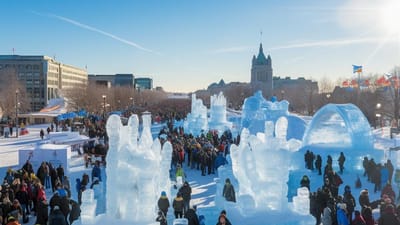
For decades, aspiring ice sculptors relied on apprenticeships, dedicated studio time, and sheer repetition to hone their craft. But this approach is expensive, time-consuming, and not always accessible. The rise in popularity of international ice sculpting festivals demonstrates both the growing interest in the art form and the intensified competition. We've seen this firsthand as Ice Impressions follows the circuit, and events like the one held annually in China, featuring 76 artists from 12 countries, showcase the incredible scale and talent involved.
These festivals are proving grounds. You have to transform a block of ice quickly while people watch. VR training helps build that speed and focus without needing a freezer full of expensive ice.
Why practicing on ice is hard
Traditional ice sculpting training presents a multitude of challenges. The most obvious is the cost of the ice itself. High-quality, clear ice blocks aren’t cheap, and a serious competitor will go through many during practice. This expense alone can be a significant barrier to entry for many aspiring sculptors.
Time is another major constraint. Ice has a limited lifespan, and practice sessions are dictated by the melting process. This means sculptors are constantly working against the clock, and extended practice sessions are simply not feasible. Beyond the material costs and time, working with ice has a real environmental impact—all that melted ice has to go somewhere. Then there’s the physical toll. Ice sculpting is physically demanding work, requiring strength, stamina, and precise movements.
Replicating the conditions of a real competition is also difficult. The pressure of a live audience, the time constraints, and the unpredictable nature of the ice block itself are all factors that can impact performance. Access to suitable studio space with proper refrigeration is another hurdle. Many sculptors work in makeshift environments, which can compromise both safety and quality. And, of course, there’s the inherent risk of working with sharp tools and heavy blocks of ice—accidents do happen.
Haptics and digital tools
Virtual reality environments are now capable of simulating the ice sculpting process with remarkable accuracy. These programs allow sculptors to practice their craft in a safe, controlled, and repeatable setting. The key to a successful VR sculpting experience is haptic feedback—the technology that allows you to feel the resistance of the ice and the impact of your tools.
Good haptic systems use a range of technologies to simulate these sensations, from vibrations to force feedback. This allows sculptors to develop the muscle memory and precision needed to work with real ice. Realistic physics simulations are equally important. The VR environment needs to accurately portray how ice breaks, chips, and melts under different forces and temperatures. This is a complex calculation, but advancements in game engine technology are making it increasingly achievable.
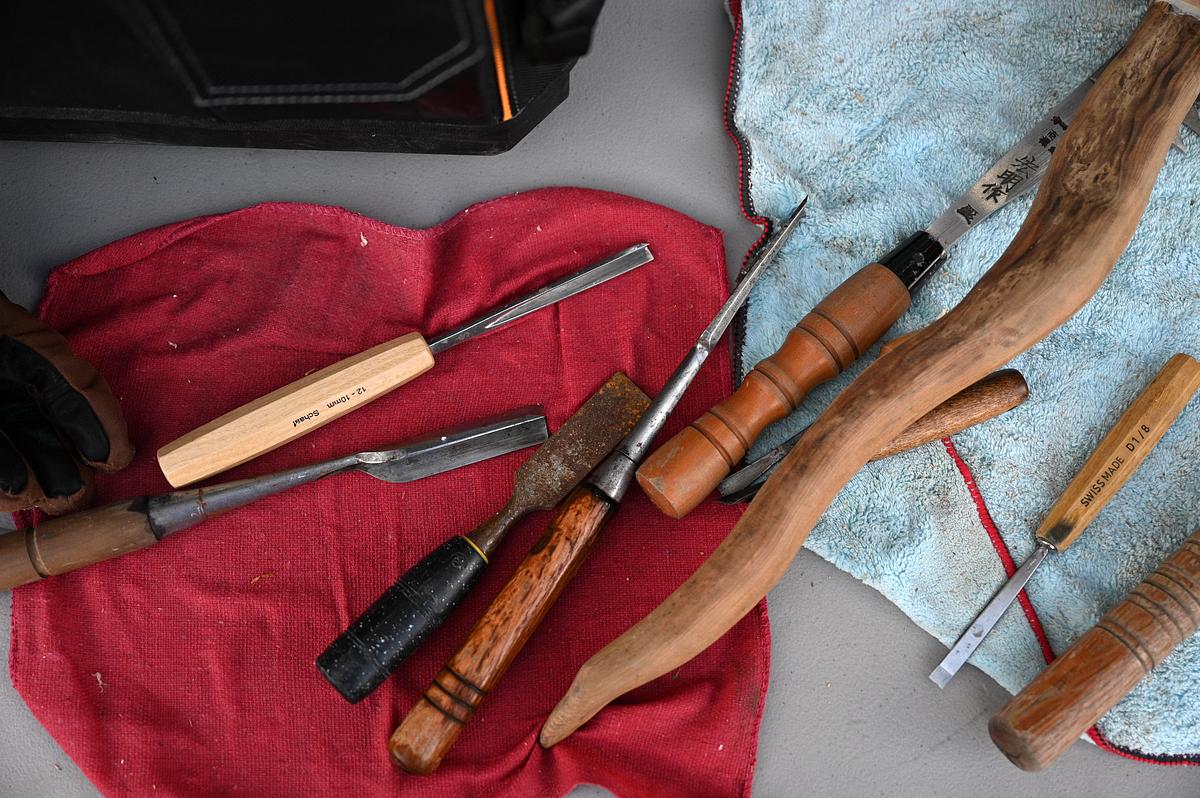
The virtual tools are the same ones I use in the shop: chainsaws, chisels, and torches. Most of these simulations are built in Unreal Engine or Unity. They aim for a digital experience that feels real enough to build muscle memory without the mess.
Simulating the clock
One of the most significant advantages of VR training is the ability to simulate realistic competition conditions. Sculptors can practice under time limits, with virtual judges evaluating their work based on pre-defined criteria. The VR environment can even simulate the presence of an audience, adding a layer of psychological pressure that mirrors a real event.
Perhaps even more valuable is the ability to replay and analyze past performances. Sculptors can review their work from any angle, identify areas for improvement, and experiment with different techniques without wasting valuable ice. VR allows for a level of detailed analysis that simply isn’t possible in the real world. It also allows for practicing with varying qualities of "ice blocks"—simulating the inconsistencies that can occur in a competition.
The mental aspect of ice sculpting is often underestimated. VR training can help sculptors overcome performance anxiety and develop the mental toughness needed to succeed under pressure. By repeatedly practicing in a challenging virtual environment, they can build confidence and learn to stay calm and focused when it matters most. This is particularly beneficial for newer competitors who haven’t yet experienced the intensity of a live competition.
Design and visualization
VR isn't just about refining technique; it's also a powerful tool for design and visualization. Sculptors can create and refine their designs in a 3D environment before ever touching real ice. This allows them to experiment with different shapes, forms, and compositions without the risk of wasting materials. The design process becomes much more iterative and efficient.
VR facilitates easy sharing and collaboration. Sculptors can share their designs with other artists remotely, receive feedback, and work together on complex projects. This is particularly valuable for teams competing in large-scale events. Being able to visualize the final sculpture from different angles is crucial for ensuring that it will look good from all perspectives.
With VR, sculptors can walk around their virtual creation, zoom in on details, and make adjustments as needed. This level of control and flexibility is simply not possible with traditional sketching or modeling techniques. It allows for a more holistic and informed design process, leading to more innovative and compelling sculptures.
What the results show so far
While VR training is still relatively new to the ice sculpting world, several sculptors are already embracing the technology. Anecdotal evidence suggests that those who incorporate VR into their training regimen are seeing improvements in their speed, precision, and overall confidence. It’s still difficult to definitively quantify the impact of VR on competition results, but the early signs are promising.
There aren't any formal studies comparing VR students to traditional ones yet. But the sculptors I talk to say the same thing: they get more done in less time. More competitors are bringing up VR in the pits at major events, using it to warm up their hands and minds before the clock starts.
The competitive landscape is constantly evolving, and those who adapt to new technologies are likely to have an advantage. Ice Impressions continues to monitor these trends, providing resources and support to sculptors as they explore the potential of VR and other innovative training methods. The 2025 WIAC Rules and Guidelines don’t currently address VR training specifically, but that’s likely to change as the technology becomes more widespread.
Traditional vs. Virtual Reality Training for Ice Sculpting
| Cost | Time Efficiency | Environmental Impact | Risk of Injury | Design Flexibility | Competition Simulation |
|---|---|---|---|---|---|
| High | Lower | Moderate | Moderate | Limited | Good, with physical practice |
| Moderate | Better for rapid prototyping | Low | Low | Excellent | Improving, but lacks physical feel |
Qualitative comparison based on the article research brief. Confirm current product details in the official docs before making implementation choices.
No comments yet. Be the first to share your thoughts!