

The rising stakes for outdoor ice
Outdoor ice sculptures are in trouble. Warmer winters and unpredictable storms make it hard to keep these pieces from melting before the crowds arrive. It isn't just a logistical headache anymore; it's a threat to the festivals themselves.
The economic impact is substantial. Cancellations due to unfavorable conditions mean lost revenue for festival organizers, local businesses, and artists. Compromised displays – sculptures that melt prematurely or suffer structural damage – diminish the visitor experience and can damage a festival’s reputation. This isn't just about aesthetics anymore; it's about ensuring these events can continue.
We’ve seen a clear shift in the last decade. Artists are needing to adapt, and festivals are actively seeking solutions. The pressure is on to find ways to extend the lifespan of ice sculptures, not just for artistic reasons, but for the survival of the events themselves. I believe that innovation in preservation techniques is now essential for the future of this art form.
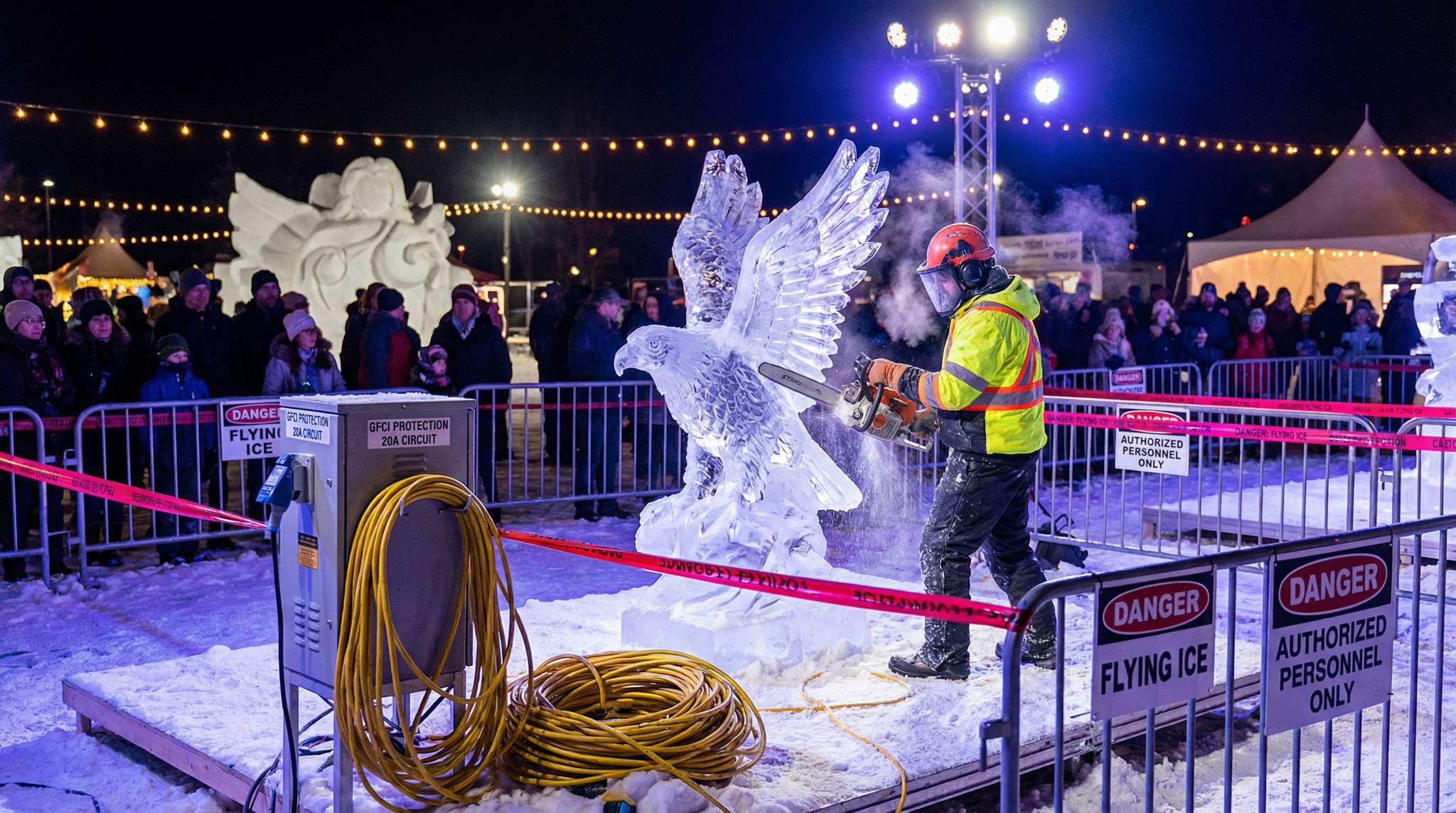
Ice composition and structural weaknesses
It’s easy to think of ice as simply "frozen water,’ but that’s a vast oversimplification. The source of the water dramatically affects the ice"s clarity and strength. Distilled water, lacking dissolved minerals and gases, freezes clearer and is generally stronger. Tap water, with its impurities, creates cloudier ice that is more prone to cracking.
The structure of ice itself contains inherent weaknesses. During freezing, dissolved gases and minerals become concentrated, creating stress points within the ice matrix. These points act as nucleation sites for cracks, which can propagate rapidly with temperature fluctuations. Even seemingly minor variations in water quality can lead to significant differences in structural integrity.
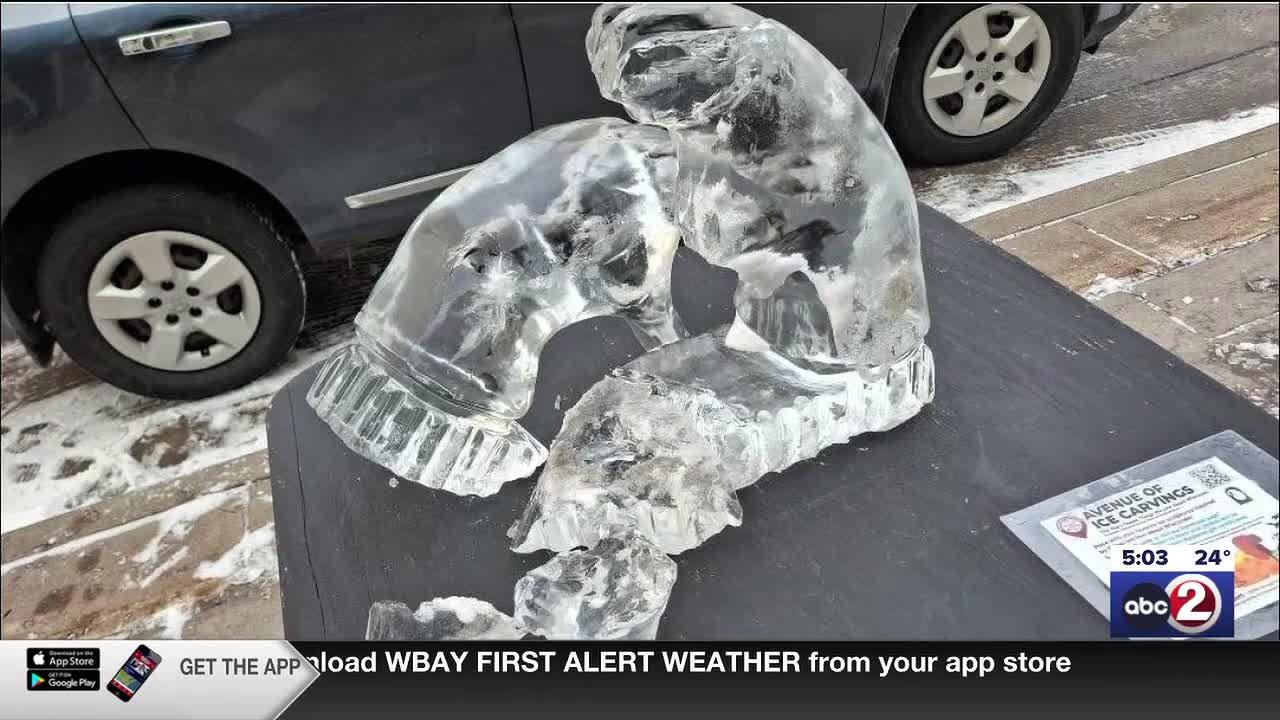
Temperature swings are particularly damaging. Ice expands as it freezes and contracts as it melts. Repeated cycles of freezing and thawing exacerbate existing stress points, eventually leading to fractures. The rate of temperature change matters too – rapid shifts are far more destructive than gradual ones. Understanding these weaknesses is the first step towards effective preservation. We often explain this to clients when discussing complex designs.
Making better ice blocks
Producing high-quality ice blocks is foundational to creating durable sculptures. Traditional block ice, often made in large, uncontrolled batches, tends to be cloudy and structurally weak. At Ice Impressions, we utilize directional freezing, a process where water is frozen from one direction, pushing impurities downwards and creating a clearer, denser ice block.
De-aerated water is a big part of the process. We use vacuum degassing to pull air out before freezing, which stops bubbles from forming. Bubbles are weak points. If you freeze the water slowly, you get larger crystals and a much tougher block, though it takes more power.
The difference between our blocks and traditionally made ice is immediately apparent. Our blocks exhibit superior clarity, allowing for more intricate detailing and a more visually striking final sculpture. They’re also significantly more resistant to cracking and chipping, providing a stronger foundation for even the most ambitious designs. The investment in these techniques pays off in the longevity of the artwork.
Protective coatings beyond acrylic
For years, acrylic spray has been the standard for protecting ice sculptures, offering a temporary barrier against melting and UV damage. However, acrylic has limitations – it can be visually unappealing, susceptible to scratching, and has environmental concerns. We’re now seeing a wave of innovation in protective coatings.
Polymer-based coatings are gaining traction, offering improved UV resistance and slower melt rates compared to acrylic. These coatings are often more durable and can be formulated to be clearer, enhancing the sculpture's aesthetic appeal. Specialized waxes, particularly those with UV inhibitors, are also being explored as a more eco-friendly alternative.
Perhaps the most exciting developments are in experimental bio-coatings. Researchers are investigating materials derived from natural sources – like chitosan from shellfish shells – that can create a biodegradable protective layer. While still in the early stages of development, these coatings hold the promise of a sustainable solution. Here’s a quick comparison:
| Coating Type | UV Protection | Melt Rate Reduction | Durability | Environmental Impact | Cost | |---|---|---|---|---|---| | Acrylic | Moderate | Moderate | Low | Moderate | Low | | Polymer | High | High | Moderate | Moderate | Moderate | | Wax | Moderate | Moderate | Low | Low | Low | | Bio-coating | Variable (early stage) | Variable (early stage) | Low | High | High (currently)
Coating Options for Outdoor Ice Sculpture Preservation
| Coating Type | UV Resistance | Application Complexity | Environmental Consideration | Structural Support |
|---|---|---|---|---|
| Acrylic | Moderate | Easy | Moderate | Provides some rigidity |
| Polymer X | High | Medium | Moderate | Enhanced structural integrity |
| Wax Blend Y | Low | Medium | Lower | Best for intricate detail preservation |
| Bio-Coating Z | Moderate | Hard | Low | Requires specialized application |
| Acrylic + UV Inhibitor | High | Easy | Moderate | Improved UV protection over standard acrylic |
| Polymer X + Reinforcement Fibers | High | Hard | Moderate | Maximum durability and support |
| Wax Blend Y + Polymer Sealant | Moderate | Medium | Moderate | Balances detail preservation with some added protection |
Qualitative comparison based on the article research brief. Confirm current product details in the official docs before making implementation choices.
Controlling the microclimate
Creating a localized microclimate around an ice sculpture can significantly extend its lifespan. This involves mitigating the effects of direct sunlight, wind, and warm temperatures. Strategic placement of shade structures – tents, canopies, or even natural barriers like trees – is a simple but effective technique.
Misting systems, which use a fine spray of water to create evaporative cooling, can lower the temperature around the sculpture. The evaporation process absorbs heat, reducing the rate of melting. However, it’s crucial to avoid excessive misting, as this can lead to unwanted dripping and ice buildup. Windbreaks, like strategically placed screens or panels, can reduce the rate of evaporation and protect the sculpture from direct wind exposure.
The Harrisburg Ice Festival uses several of these tricks. They tuck sculptures into shaded corners and set up temporary shelters when the sun is highest. They have even tried misting systems to keep the air cool. These steps keep the event running even when the winter is mild.
Reinforcement and internal support
For complex or large-scale sculptures, internal reinforcement is often necessary to maintain structural integrity. Embedding materials like acrylic rods or wire mesh within the ice can provide additional support, preventing cracking and collapse. The challenge lies in concealing these reinforcements and preserving the aesthetic appeal of the sculpture.
Another technique involves freezing water with different densities. By layering ice of varying densities, you can create a composite structure that is stronger and more resistant to stress. This requires precise control over the freezing process and careful planning during the sculpting phase. It's a delicate balance between structural engineering and artistic expression.
At Ice Impressions, we’ve developed techniques for seamlessly integrating reinforcement materials into our designs. For example, we often use clear acrylic rods to support overhanging elements, carefully positioning them to be virtually invisible from the viewer's perspective. It’s a skill honed through years of experience and a deep understanding of ice mechanics.
Monitoring and predictive modeling
The use of sensors and data analytics to monitor conditions around ice sculptures is a relatively new but promising area. Temperature and humidity sensors can provide real-time data on the sculpture’s environment, allowing for proactive adjustments to preservation strategies. Sunlight exposure sensors can help optimize shading and misting systems.
Predictive modeling – using historical data and current conditions to forecast melt rates – has the potential to revolutionize ice sculpture preservation. These models can take into account factors like temperature, humidity, wind speed, and sunlight intensity to predict how quickly a sculpture will melt and identify potential structural weaknesses. However, the accuracy of these models depends on the quality and quantity of data available.
I don't see many festivals using these sensors yet. The gear is expensive and you need a data scientist to make sense of the numbers. As the tech gets cheaper, it will likely show up at smaller regional events.
How festivals are adapting
Several festivals are already demonstrating success with advanced preservation methods. The Ice Magic Festival in Quebec City, Canada, is a prime example. They utilize a combination of directional freezing techniques, protective coatings, and microclimate control strategies to create stunning displays that can withstand relatively mild temperatures (ice-impressions.com).
We at Ice Impressions partnered with the Saranac Lake Winter Carnival in New York to implement a new coating system and optimized shading techniques. The results were remarkable – sculptures lasted up to 30% longer than in previous years, even during a particularly warm winter. This involved a detailed analysis of sun angles and wind patterns, followed by the strategic placement of temporary shelters.
The Harbin International Ice and Snow Sculpture Festival in China (featured in a YouTube video by artists carving ice sculptures for the festival) is a large-scale example, but also benefits from consistently cold temperatures. However, they are increasingly focused on using high-quality ice blocks and implementing techniques to minimize cracking and chipping. Their success demonstrates the importance of a holistic approach to preservation, combining advanced techniques with careful planning and execution. These festivals are proving that climate-proof ice sculptures are not just a dream, but a realistic possibility.
No comments yet. Be the first to share your thoughts!